AI Blog
Guest posts and insights from AI builders and innovators.

Why Concurrent LoRA Training Could Reshape the Economics of AI Experimentation
Concurrent LoRA training signals a bigger shift in AI: cheaper, faster experimentation that could make tools more adaptive, specialized, and continuously improving.

Why Skill-Based AI Agents Are Becoming the Next Real Platform Layer
AI agents are evolving from monolithic prompts into modular systems powered by reusable skills. That shift could reshape how users deploy agents and how developers build AI products.

Europe’s AI Infrastructure Era Is Here: Why Massive Data Center Bets Will Reshape the Tool Ecosystem
A huge French data center push signals that AI’s next battleground is physical infrastructure, not just models—and that will reshape how tools are built and deployed.

Why Token-Based AI Coding Pricing Could Push Developers Toward Smarter Tool Stacks
GitHub Copilot’s pricing shift could reshape how developers buy AI coding tools, pushing teams toward specialized, cost-predictable stacks.

Why the New Browser Race Matters More for AI Agents Than for Humans
The 2026 browser race is really a battle to become the best workspace for AI agents, automation, and trusted web-based execution.

Free vs Paid Transcription AI: What You’re Really Buying in 2026
Transcription is becoming cheap. The real reason to pay now is privacy, workflow automation, and less cleanup—not just better speech-to-text.

AI Coding Is Becoming Mandatory—But Developer Skill Debt Is the Real Risk
AI coding tools boost output, but overreliance may create skill debt that hurts software quality, security, and long-term developer growth.

Why Multimodal Long-Context Models Are Becoming the New Operating System for AI Work
Multimodal, long-context AI is shifting from chatbot novelty to workflow infrastructure for coding, search, and creative production.

Why the AI Inference Race Matters More Than Another Chip Funding Round
The AI chip story is really an inference story. Lower serving costs could reshape pricing, speed, and what developers can build next.

What Ferrari’s Radical EV Design Signals for AI Product Builders
Ferrari’s bold EV design offers a useful lesson for AI teams: transformative technology eventually changes the shape of products, not just the feature list.

Why Ansible Labs Matter More in the Age of AI-Driven Infrastructure
Ansible labs are becoming essential for AI-era infrastructure teams that need automation to be testable, explainable, and grounded in real-world operations.

Why Cost Control Is Becoming Enterprise AI’s Killer Feature
Enterprise AI buyers are shifting from hype to hard ROI, rewarding tools that cut waste, consolidate workflows, and prove measurable savings.

Why Anthropic’s Latest Claude Release Signals a New Phase for AI Development
Anthropic’s latest Claude launch highlights a bigger shift in AI: the future belongs to reliable, multi-agent workflows, not just benchmark winners.

Why Dynamic AI Workflows Could Matter More Than the Next Bigger Model
The next AI leap may not be a smarter chatbot, but coordinated teams of agents that can plan, verify, and execute real workflows.

Why the Next AI Infrastructure Winner May Matter More Than the Next Model
The next big AI winner may not be a model company at all. New compute challengers could reshape pricing, speed, and product design across the AI tools market.

What YouTube’s AI-Powered Feeds Mean for Creators, Discovery, and the Next Content Arms Race
YouTube’s AI custom feeds could reshape discovery around user intent, forcing creators and AI tool builders to optimize for niche relevance, mood, and format.

Why Illinois’ AI Safety Push Could Reshape the Market for Builders, Auditors, and Buyers
Illinois’ AI bill signals a bigger market shift: safety claims may soon need proof, changing how AI tools are built, bought, and trusted.

When AI Misspells the Obvious: What Google’s Spelling Stumbles Reveal About Modern Models
Google’s AI spelling mistakes are more than a punchline. They reveal why precision, verification, and brand monitoring are becoming essential in AI-powered workflows.

Why Snowflake’s AWS Chip Bet Signals a New Phase of Enterprise AI
Snowflake’s AWS commitment points to a new AI reality where compute access, cost control, and infrastructure resilience matter as much as model quality.

Why Token-Level Training Infrastructure Could Be the Next Big AI Developer Advantage
The next AI edge may come from token-level training infrastructure that improves agents inside real workflows, not just from bigger models.

What Agentic Trading Means Now That Brokerages Are Opening the Door
Brokerages are turning AI from investing assistant into execution layer. That shift creates big opportunities for safer tools, better explanations, and trusted agent evaluation.

Why Faster LLM Inference Is Becoming a Product Feature, Not Just an Engineering Win
LLM inference breakthroughs matter because they improve product reliability, not just speed. That shift will reshape routing, pricing, and AI app design.

Why Separate Memory Layers Could Become the Next Must-Have for AI Apps
Dedicated memory layers could reshape AI architecture by making apps more reliable, updatable, and less dependent on any single model vendor.

Why the Backlash to AI-First Search Is Bigger Than Google
The pushback against AI-first search shows users want transparency and control, not just faster answers. That shift will reshape SEO, AI visibility, and product design.

Why the Multi-Model AI Stack Is Becoming the Default
AI is shifting from single-provider dependency to multi-model orchestration, changing how developers build and how users experience intelligent tools.

AI Search Is Becoming an Interface, Not a Destination
Google’s AI push points to a deeper shift: search is becoming an action layer that may reshape traffic, discovery, and how developers build for the web.

When AI Music Becomes a Mirror: What Self-Generated Listening Says About Creativity
AI music’s biggest shift isn’t song quality—it’s that some users now prefer listening to their own generated tracks. That has major implications for creativity, taste, and product design.

Why AI Budgets Are Entering Their Accountability Era
Enterprise AI is shifting from hype-driven spending to ROI-driven scrutiny. That change will reshape how developers build and how buyers choose tools.

Why Federated Learning Benchmarks Are Becoming a Practical AI Buying Signal
Federated learning is moving from theory to procurement reality. For AI buyers and developers, non-IID benchmarks are becoming a serious signal of platform maturity.

Why 2-Bit Context Compression Could Reshape the Economics of Long-Context AI
The next AI advantage may come less from bigger models and more from cheaper long-context serving that makes stateful, multimodal apps practical.

Why ‘Being Human’ May Become the Most Important AI Product Strategy
The next AI winners may not be the most automated products, but the ones that preserve accountability, consent, and visible human judgment.

Why AI-Powered Vulnerability Discovery Is Reshaping Software Defense
AI is accelerating both software development and exploit discovery, forcing developers to rethink security as a continuous, AI-assisted discipline.

Why AI Coding Agents Could Create More Software Debt Than They Remove
AI coding agents may boost output, but they also risk creating software debt at machine speed if teams mistake velocity for reliability.

Why Realtime Voice AI Is Shifting From Speech Output to Social Intelligence
Realtime voice AI is evolving from speech generation into socially aware interaction, reshaping how developers build assistants, tutors, and synthetic personalities.

AI Security Is Becoming a Product Feature, Not Just a Compliance Checkbox
AI security is no longer a back-office issue. For users and developers, trust, permissions, and observability are becoming core product features.

AI Wearables Are Back, but the Real Product May Be Your Context
Amazon’s Bee points to a bigger shift: AI wearables are turning human context into the next competitive asset, raising major questions for users, developers, and brands.

Why AI Personality Design Is Becoming the Next Major Security Risk
As AI bots become more human-like, their personalities are turning into a new security weakness that developers can no longer treat as just branding.

Why Terminal-Native Web Agents Could Be the Next Big Shift in AI Automation
Terminal-native browser agents point to a future where AI web automation is more reliable, reusable, and production-ready than today’s click-driven demos.

Why Local Agent Memory Is Becoming the Next Competitive Edge in AI Automation
Local-first agent memory is emerging as critical infrastructure for reliable AI automation, shifting the market from chatbot context windows to durable, governable state.

AI Price Wars Just Got Real: What DeepSeek’s Low-Cost Tokens Mean for Builders
DeepSeek’s pricing move is bigger than a discount. It could push AI builders toward multi-model stacks, cheaper agents, and a new focus on intelligence per dollar.

What Musk’s Energy Pivot Signals for the Next Wave of AI Infrastructure
Musk’s shift away from solar highlights a deeper truth: the future of AI may depend less on model hype and more on who can secure reliable power.

Why Google’s Disco-Ball Design Push Signals a Bigger Shift in AI Interfaces
Google’s glittery Pixel experiment highlights a serious AI product trend: interface personality is becoming a competitive advantage, not a cosmetic extra.

When One Word Breaks Search: Why AI Interfaces Need Stronger Guardrails
A glitch around one common word exposes a bigger truth: AI-powered search is only as useful as its guardrails, testing, and observability.

What Samsung’s Bonus Battle Signals for the Future of AI Talent and Worker Leverage
Samsung’s chip bonus fight highlights a bigger AI trend: the workers behind critical infrastructure are gaining leverage, and developers should plan for the ripple effects.

Why AI Growth in the Gulf Depends on More Than Bigger Data Centers
The Gulf’s AI future won’t be determined by GPUs alone. Connectivity resilience is becoming a core factor in how AI tools are built, deployed, and trusted.

AI’s Reputation Problem Won’t Be Solved by Better Messaging Alone
AI companies can’t solve public distrust with polished messaging alone. For users and developers, governance and credibility are becoming as important as model quality.

Why Smaller AI Infrastructure Wins When Bigger Models Get Easier to Run
As large AI models become practical to run on smaller infrastructure, the real advantage shifts from model access to orchestration, routing, and reliable deployment.

What a Pause on AI Security Rules Really Means for Builders, Buyers, and the Market
A delay in AI security rules may look pro-innovation, but it could push governance into procurement, insurance, and enterprise buying decisions even faster.

Why the AI Agent Future Depends on Trust, Not Just Hype
AI agents won’t win consumers over with hype alone. Adoption will depend on trust, control, and whether these tools actually remove friction.

What Meta’s AI Cost-Cutting Moment Signals for Every AI Team
Meta’s layoffs point to a tougher AI era where budgets survive only if they produce measurable operational change.

Why Forward Deployed AI Teams Could Reshape Enterprise Software in 2026
The rise of forward deployed AI teams signals a major shift from selling software licenses to delivering operational outcomes inside complex enterprises.

Why Nvidia’s Bet on AI Agent CPUs Could Reshape the Next Enterprise Stack
Nvidia’s AI agent CPU thesis signals a shift from model-centric AI to full agent infrastructure, opening new opportunities for developers, marketplaces, and enterprise tools.

Why OpenAI’s Geometry Breakthrough Could Redefine Trust in AI Reasoning
OpenAI’s latest math claim signals a deeper shift: AI tools will increasingly be judged by verifiability, not just fluency.

Why Longer AI-Generated Songs Could Reshape Music Apps, Devices, and Creator Workflows
Longer AI-generated songs and on-device audio models could turn AI music from a novelty into core creative infrastructure for apps, creators, and developers.

Why AI Agents Will Be Won by Reliability, Not Demos
AI agents won’t be won by flashy demos. The real market is shifting toward reliability, deployment speed, and tools businesses trust unsupervised.

Why Low-Latency AI Translation Could Become the Next Default Interface
Low-latency multimodal translation could turn language into an invisible software layer, reshaping meetings, support, education, and global content creation.

Google’s AI Platform Play Is Bigger Than Search—and Developers Should Pay Attention
Google’s latest AI push signals a shift from chatbots to ambient, agent-driven computing across search, devices, and wearables.

Google’s Shift to AI Monitoring Agents Could Change How We Discover Everything
Google’s new AI monitoring agents point to a future where discovery is continuous, delegated, and increasingly shaped by machine-readable trust signals.

Why Agentic AI Is Becoming the New Battleground for Developers
Google’s latest AI push highlights a bigger shift: the market is moving from chatbots to agents that can execute real work across tools and workflows.

Why Playable AI Worlds Could Become the Next Platform Layer
Playable AI simulations hint at a bigger shift: from generating content to generating shared environments for agents, creators, and real-world software.

Why Enterprise Agentic AI in 2026 Will Be Won by Governance, Not Demos
In 2026, enterprise agentic AI success will depend less on model hype and more on governance, observability, and business-ready automation.

Why Accessible AI Interfaces Could Matter More Than Better Drug Models
The next AI advantage may be usability, not just model quality. Accessible interfaces could unlock more value for scientists, founders, and everyday AI users.

What OpenAI’s Court Win Signals for AI Governance, Founders, and Enterprise Buyers
OpenAI’s courtroom victory is less about personalities and more about a new market reality: AI governance is becoming a core product and procurement issue.

Why Tiny Optics Could Be the Real Battleground for AI Glasses
The future of AI glasses may depend less on chatbots and more on the tiny optical systems that make wearable AI practical, stylish, and scalable.

Why 4-Bit Training Could Reshape the Economics of AI Development
NVIDIA’s 4-bit training push signals a bigger shift: AI model development may become dramatically cheaper, opening doors for startups, tool builders, and more competitive APIs.

Why Auto-Deleting AI Chats Could Redefine Trust in Consumer Assistants
If AI assistants start auto-deleting chats, privacy could become the next major competitive feature in consumer AI.

Why AI Is Becoming the Wrong Commencement Speech—and the Right Career Reality
AI is becoming harder to sell as inspiration and easier to recognize as infrastructure. That shift will reshape how developers build and how users choose tools.

Why AI Ordering Systems Signal a Much Bigger Shift in Everyday Automation
AI at the drive-thru is more than a fast-food experiment. It signals a broader shift toward conversational AI as the operating layer for everyday services.

Why Training-Only Attention Tricks Could Reshape the Next Wave of Long-Context AI
Training-only attention methods could make long-context AI cheaper, better, and easier to deploy—without forcing developers into exotic inference stacks.

Who Really Wins in the AI Boom? What the New Power Divide Means for Builders
The AI boom is creating opportunity, but not equally. Here’s what the new power divide means for AI users, startups, and developers.

Why Agent Infrastructure Is Becoming the Real AI Product
AI agents are shifting from demo ware to infrastructure-heavy systems, making sandboxing, persistence, and observability the new competitive edge.

Autonomous Browser Exploits Change the Stakes for AI Agents
AI agents are crossing from assistance into autonomous technical action, and browser exploit benchmarks show why tool access and guardrails now matter as much as raw model power.

AI Companions Are Redefining Intimacy Beyond Sex—and That Changes the Market
AI companions are opening new forms of intimacy built around boundaries, control, and emotional nuance—not just sex. That shift has major implications for users and developers.

YouTube’s Deepfake Detection Push Signals a New Era for AI Creators
YouTube’s deepfake detection expansion is more than moderation news—it’s a warning that trust, consent, and identity are becoming core infrastructure for AI creators.

Why ArXiv’s Crackdown on AI-Written Papers Signals a New Era of Trust in Research
ArXiv’s tougher rules show that AI-generated content is entering an accountability era where trust, verification, and source-checking matter more than speed.

What AI Radio Hosts Reveal About the Next Trust Crisis in Generative AI
AI-run radio stations highlight a bigger issue for businesses: fluent AI can still be unstable, off-brand, and risky without human oversight.

Human-in-the-Loop AI Is Becoming the Real Product Strategy
The next AI winners may not be fully autonomous agents, but products that make human oversight efficient, trusted, and commercially valuable.

Why Smarter Admin Dashboards Are Becoming the Real AI Interface for Modern Apps
The next important AI interface may not be chat. It may be the admin dashboard where teams already make decisions and take action.

Why Open Agent Runtimes Could Reshape the AI Tool Stack
Open agent runtimes could matter more than benchmark wins, shifting AI competition toward orchestration, portability, and reusable agent skills.

Why Mobile Coders Should Pay Attention to OpenAI’s Next Move
OpenAI’s mobile Codex move points to a bigger shift: AI coding is becoming ambient, cross-device, and built for delegation instead of just code generation.

Why Cerebras’ IPO Surge Signals a New Era for AI Infrastructure Startups
Cerebras’ IPO surge may mark a shift from AI hype to AI infrastructure. Here’s what that means for founders, investors, and AI tool users.

The Real Shift in AI App Creation Isn’t No-Code — It’s User-Controlled Software
AI app generation is changing software from a fixed product into something users can shape around their real workflows.

Why AI Leaders Can’t Scale on Fear Alone
Meta’s internal tension highlights a bigger AI-era lesson: efficiency can boost output, but fear-driven cultures often weaken product quality, trust, and long-term innovation.

Why the Real AI Workspace Battle Is About Agent Orchestration, Not Chat
AI workspaces are evolving into agent control layers. The real opportunity is in orchestration, trust, and embedded automation.

Why Synthetic Worlds Are Becoming the Next Big AI Data Economy
AI’s next bottleneck isn’t just compute. It’s licensed, simulation-ready data—and game worlds may become one of the industry’s most valuable new assets.

Why Self-Tuning AI Could Reshape How Teams Build Specialized Models
Self-tuning AI could make specialized models cheaper and faster to build, shifting the advantage to teams with better data, evaluation, and real-world feedback loops.

Why Rural Data Centers Could Reshape the Next Wave of AI Infrastructure
Rural America is emerging as a key frontier for AI infrastructure, but the real impact will depend on power, modular deployment, and access to digital jobs.

Why AI Governance Matters More Than Founder Drama
The biggest takeaway from the latest OpenAI power struggle isn’t founder drama. It’s that AI governance is becoming a critical factor for developers, startups, and enterprise buyers.

Why Medicare’s AI-Friendly Payment Shift Could Reshape Healthcare Automation
Medicare’s new payment direction could unlock a far bigger healthcare AI market: agents that coordinate care, improve adherence, and operate between visits.

Why Unblockable AI Assistants Could Backfire on Social Platforms
As social platforms embed AI into public conversations, the real competitive edge may be user control—not raw model power.

Why AI Startup Share Access Is Becoming the Next Trust Crisis
As AI startup hype spills into private share markets, the real scarcity is no longer access—it’s trust, verification, and credible ownership pathways.

Why AI Voice Is Becoming the New Front Door for Customer Experience
AI voice is shifting from demo to core business infrastructure, changing how companies handle support, sales, and customer availability at scale.

Why Real-Time Conversational AI Could Change How Agents Work
Real-time conversational AI could make agents more useful, but only if memory, trust, and reliability improve alongside the interface.

Why AI-Native Security Is Becoming the Next Must-Have Layer in Software Development
AI is shifting from coding assistant to security control layer, changing how teams detect vulnerabilities, validate fixes, and govern AI-generated software.

Why AI Security Agents Are Becoming the Next Essential Developer Tool
AI security agents are shifting from flashy demos to practical defense, helping developers prioritize real risks and bake security into everyday workflows.

Why LLM Distillation Is Reshaping the AI Tool Stack
LLM distillation is changing AI economics, pushing developers toward layered systems with smarter routing, better data, and specialized smaller models.

Why AI News Aggregators Are Back—and What Digg’s Return Signals for the Market
Digg’s return points to a bigger trend: AI news is becoming its own product category, where trust, filtering, and context matter more than raw headlines.

Why AI-Accelerated Exploits Are Forcing a Rethink of Software Security Timelines
AI is shrinking the time from patch to exploit, putting pressure on the 90-day disclosure norm and forcing developers to secure software at machine speed.

This Week in AI Tools: 10 New Additions for Creators, Marketers, and Operators
This week’s new AI tools focus on practical wins: media cleanup, image-to-video creation, writing support, QR campaigns, document utilities, and workflow automation.

Why Memory Infrastructure Is Becoming the Real Stack for AI Agents
The next competitive layer in AI apps is not just model quality. It is persistent memory that makes agents more useful, personalized, and defensible over time.

Why AI ‘Villain’ Narratives Could Distort Model Behavior More Than We Realize
AI models may be absorbing villain scripts from culture, not just facts from data. That has major implications for safety, companion apps, and how developers evaluate behavior.

Why Open AI Agent Rankings Are Becoming a Proxy War for Product Strategy
Agent rankings now reflect product strategy, not just model quality. The bigger story is how adaptability, deployment, and ecosystem strength are reshaping AI adoption.

Why Self-Replicating AI Agents Could Reshape Security, Automation, and Trust
As AI agents become more autonomous, the real challenge is no longer capability alone—it’s containment, governance, and trust at scale.

Why AI Security Is Entering Its Blind Spot Era
AI security risk is shifting from model capability to measurement failure. As autonomous attacks accelerate, outdated evals may be the biggest vulnerability of all.

Why Hidden Malware Indicators Matter More in the Age of AI-Generated Code
AI-generated software is speeding up development, but hidden malware indicators expose a growing blind spot in how teams inspect binaries, agents, and runtime behavior.

Why Elastic AI Models Could Reshape How Developers Ship Reasoning Apps
Elastic AI checkpoints could change how developers deploy reasoning models, cutting costs and enabling smarter runtime scaling across apps and agents.

Why AI Vocabulary Is Becoming a Competitive Advantage
AI jargon is becoming more than buzzword culture. For users and developers, understanding AI vocabulary is quickly turning into a real competitive advantage.

What Nvidia’s AI Investment Spree Signals for Startups, Builders, and Buyers
Nvidia’s huge AI dealmaking points to a more consolidated, vertically integrated market—and new pressure on startups to build resilient, defensible products.

When Everyday AI Devices Become Attack Surfaces
A hackable robot mower signals a bigger shift: AI is moving into everyday tools faster than security practices can keep up.

Why Spec-First AI Development Is Becoming the Real Competitive Edge
AI coding is moving beyond fast prototypes. Spec-first workflows are emerging as the smarter path to secure, maintainable, production-ready software.

What Oracle’s Severance Standoff Signals for Remote Workers in the AI Economy
Oracle’s severance dispute highlights a bigger AI-era problem: remote workers often gain flexibility while losing leverage. That creates major opportunities for worker-first tools.

What Intel’s Rally Really Signals for AI Investors, Builders, and Tool Makers
Intel’s surge highlights a bigger AI trend: markets are rewarding strategic optionality before results arrive. That changes how developers and investors should read the sector.

Why AI in Game Development Will Be Won or Lost on Trust, Not Hype
AI can speed up game development, but the real differentiator will be trust, governance, and preserving human creative judgment.

The Real AI Power Struggle: Why Governance Now Matters as Much as Model Quality
The next AI battle isn’t just about better models. It’s about governance, control, and why leadership stability now matters to every AI user and developer.

Why Realtime Audio AI Changes the Product Roadmap for Every Voice App
Realtime audio AI is turning voice from a flashy feature into core product infrastructure for translation, transcription, and intelligent workflows.

The Real Reason Medical Offices Don’t Call Back—and Why AI Is Becoming the Front Desk
The healthcare callback problem is really an operations problem—and AI agents may become the new front desk for overloaded clinics.

Why Voice APIs Are Becoming the Next Competitive Layer in AI Products
OpenAI’s latest voice API move signals a bigger shift: voice is becoming a core interface for AI products, not just a feature layered on top.

Why Federal AI Oversight Could Reshape the Next Wave of Builders
Federal AI oversight could change who wins in the AI market, rewarding builders who treat governance, trust, and traceability as core product features.

AI Bug Hunting Is Changing Browser Security Faster Than Most Teams Are Ready For
AI-assisted security research is pushing browser-grade bug hunting into mainstream development—and raising the trust standard for every software team.

Why Open-Source AI Is Becoming the New Growth Engine for Global Model Companies
Open-source AI is shifting from cost-saving option to growth strategy, changing how developers build and how businesses choose model platforms.

AI and the Future of IVF: From Lab Precision to More Human Fertility Care
The future of IVF may be shaped less by one breakthrough and more by AI systems that improve lab precision, patient trust, and the overall fertility care experience.

The AI Stack Is Showing Stress Fractures—and That’s an Opportunity
AI’s biggest problems are shifting from model quality to infrastructure, economics, and product design. That pressure may create stronger tools and smarter startups.

Why AI Power Structures Matter More Than Founder Mythology
The next AI winners won’t just have better models. They’ll have stronger governance, clearer accountability, and the institutional trust enterprises now demand.

Why AI Infrastructure Is Becoming the Real Product
AI competition is shifting from model hype to infrastructure control. For users and developers, compute access and reliability may soon matter more than benchmarks.

Why DeepSeek’s Reported Mega-Valuation Signals a New AI Power Shift
DeepSeek’s reported valuation surge may signal a market shift toward efficient, interoperable AI platforms rather than pure compute-heavy dominance.

Why Samsung’s Trillion-Dollar Moment Signals a New Power Shift in AI
Samsung’s trillion-dollar milestone shows AI is now an infrastructure story, not just a software one. That shift will reshape how developers build and how buyers choose AI tools.

Why Europe’s New AI Mega-Valuations Matter More Than the Funding Headline
Europe’s rising AI valuations signal a bigger shift toward sovereign infrastructure, strategic autonomy, and harder-to-copy AI products.

Why Adaptive Voice AI Changes the Rules for Agents, Avatars, and User Trust
Adaptive voice AI is reshaping agents and avatars by making conversation feel more natural, responsive, and trustworthy.

Why SAP’s AI Lab Bet Signals a New Era of Enterprise-Controlled Agents
SAP’s latest AI move suggests enterprise software is shifting from open experimentation to tightly governed agent ecosystems.

Why Apple’s AI Model Marketplace Could Reshape the App Economy
Apple’s reported AI model choice strategy could shift iOS from app-first computing to model-first experiences, changing how users pick tools and how developers build them.

Why Faster, Safer AI Defaults Matter More Than Another Model Launch
OpenAI’s new ChatGPT default highlights a bigger trend: AI competition is shifting from raw capability to trust, speed, and dependable everyday use.

AI-Designed Cars Won’t Just Look Different — They’ll Change How Products Get Made
AI-designed cars matter less for their look than for what they reveal about faster, more adaptive product development across every physical industry.

What a Federal AI Review Could Mean for Model Launches, Startups, and Trust
A federal AI review process could reshape model launches by rewarding labs that can prove governance, safety, and operational control—not just raw capability.

Why AI Governance Is Becoming a Product Feature, Not Just a Legal Problem
AI governance is no longer just boardroom drama. For developers and tool users, it now affects vendor reliability, pricing, roadmap stability, and product risk.

Why Visual AI Is Becoming the Real Growth Engine for Consumer Apps
Visual AI is proving better at driving app installs than chatbot upgrades, but the real winners will be the apps that turn image generation into repeatable value.

Why the Enterprise AI Battle Is Shifting From Models to Customer Experience Control
Enterprise AI is entering a new phase where workflow ownership, customer data access, and measurable ROI matter more than flashy model demos.

Why Healthcare AI Will Be Won by Specialists, Not Generalists
Healthcare AI is shifting from flashy promises to specialized tools that solve real workflow problems. The winners will be trusted, domain-specific systems.

Why Self-Managing AI Agents Could Reshape How Work Gets Done
Self-managing AI agents could shift work from prompt-by-prompt supervision to policy-driven execution, changing how businesses choose and build AI tools.

Why Prompt Engineering Is Becoming Software Engineering
Prompting is evolving from trial-and-error craft into a true engineering discipline built on constraints, schemas, evaluation, and model orchestration.

Why AI Startups Can’t Afford to Treat Artists Like Training Data
AI companies can no longer treat artists’ work as free fuel. The next winners in AI will be the tools that pair capability with consent and trust.

What Viral Camera Apps Teach AI Builders About the Next Creator Software Boom
Viral camera apps reveal a bigger AI trend: the winners in creator software will be the tools that collapse capture, editing, and sharing into one polished workflow.

Why Invisible AI Attribution in Developer Tools Is a Bigger Problem Than It Looks
AI commit attribution isn’t just a UX mistake. It signals a bigger trust problem in how developer tools handle authorship, governance, and consent.

Why Remote AI Coding Agents Change the Stack More Than Another Benchmark Win
Remote AI coding agents signal a bigger shift than another model benchmark: software teams are moving from chat-based help to delegated, asynchronous execution.

Why the Oscars’ AI Crackdown Matters More to Creators Than Hollywood
The Oscars’ stance on AI-generated actors and scripts signals a bigger shift: creative tools will increasingly be judged by authorship, consent, and traceability.

Why AI Dictation Is Becoming the New Interface for Work
AI dictation is evolving from speech-to-text into a true workflow interface, reshaping how users work and how developers build software.

Voice Cloning Is Becoming a Default AI Feature — and That Changes Everything
As voice cloning becomes a standard AI feature, the real competitive edge shifts from realism to trust, consent, and production-ready voice infrastructure.

Why Cheaper Frontier Models May Matter More Than Benchmark Wins
xAI’s latest move highlights a bigger shift in AI: cheaper, integrated models may drive adoption faster than benchmark wins ever could.

Why Faster RL Rollouts Could Reshape the AI Model Stack
Faster RL rollouts are more than a training win. They signal a shift toward multi-model orchestration, cheaper iteration, and a more competitive AI product stack.

Why Meta’s Robotics Move Signals a New Battle for Embodied AI
Meta’s robotics push hints at a bigger shift: AI is moving from generating answers to taking action in the real world.

When AI Policy Turns Into Influence Marketing, Everyone Should Pay Attention
AI policy is starting to look like influencer marketing. That shift could shape regulation, competition, and who gets to build the future of AI.

Why the OpenAI Lawsuit Matters More Than Elon Musk’s Courtroom Drama
OpenAI’s legal battle highlights a bigger AI industry problem: mission-driven branding without durable governance. For users and developers, that risk is becoming a product issue.

Why Legal AI in Word Could Finally Move From Demo to Daily Workflow
Microsoft’s legal AI move signals a bigger shift: enterprise users now want workflow-safe AI, not just smarter text generation.

Why Unified AI Models Could Reshape How Teams Build, Chat, and Ship
Unified AI models could reduce model switching and push developers to compete on workflow design, memory, and user experience instead of raw benchmarks.

Why India’s AI Image Boom Could Reshape the Next Wave of Creative Tools
India’s embrace of AI image creation may signal the future of consumer AI: personal, mobile-first, and built for everyday visual expression.

What Backchannel AI Power Means for Builders in the OpenAI Era
The real AI risk isn't just model quality—it's hidden influence. Here's why builders and users should prioritize flexibility, governance, and trust.

Why the Legal AI Arms Race Signals a New Era for Law Firms and Builders
Legal AI is shifting from productivity tool to core infrastructure, creating new opportunities for specialized products and tougher demands from law firms.

AI Agents Are Getting Wallets: Why the Real Shift Is Trust, Not Payments
AI agents getting payment access is less about checkout and more about trust, governance, and turning AI from advisor into accountable operator.

What Meta’s Business AI Surge Means for the Future of AI-Powered Marketing
Meta’s business AI growth signals a bigger shift: marketing is moving from dashboards to dialogue, and AI tools must now prove real business outcomes.

Why AI Second Opinions Could Reshape Healthcare Faster Than Hospitals Expect
AI in medicine is shifting from novelty to necessity, with second-opinion tools poised to redefine clinical workflows, patient expectations, and healthcare trust.

Why Rising Cloud Spend Is Becoming the Real AI Signal for Builders
Heavy cloud investment is a stronger AI signal than hype alone. It shows the market is shifting toward durable, workflow-driven AI products built for scale.

Why Google’s Subscription Surge Signals a New AI Distribution Battle
Google’s subscription growth hints at a bigger AI shift: bundled ecosystems are rising, and standalone tools will need sharper value to compete.

Why Fast, Local AI Models Are Becoming the Next Competitive Advantage
AI image generation is entering a new phase where speed, hardware fit, and deployment flexibility may matter more than benchmark bragging rights.

Why Oracle’s AI Bet Matters More Than Another Model Launch
Oracle’s AI push signals a market shift from flashy demos to dependable infrastructure, with major implications for AI builders, buyers, and niche tool creators.

Military AI Is Entering Its Operator Era—and Civilian Builders Should Pay Attention
Defense AI is accelerating a bigger shift: from chatbots to control systems. That change will reshape how enterprise users manage fleets of AI tools.

Why AI’s Biggest Courtroom Drama Matters More Than Personal History
The latest OpenAI courtroom clash highlights a bigger issue for AI users: governance, trust, and why developers must build for portability.

Why OpenAI on AWS Changes the Rules for AI Builders
Amazon offering OpenAI products on AWS signals a more modular AI market, where model choice, agent orchestration, and cloud strategy are no longer the same decision.

Mobile Vibe Coding Changes the Real Battleground for AI App Builders
Mobile vibe coding is more than a feature launch. It could redefine how AI products are imagined, built, and sold in real time.

Why Safer OpenClaw Deployments Could Accelerate Enterprise AI Automation
Safer OpenClaw deployments signal a bigger shift: enterprise AI agents are moving from demos to disciplined, scalable infrastructure.

What Bloomberg’s AI Shift Signals for Every Serious AI Tool Builder
Bloomberg’s AI push is really a warning to software builders: the future belongs to tools that compress workflows, prove trust, and turn expertise into action.

Why the Musk–Altman Jury Fight Signals a New AI Reputation Crisis
The Musk–Altman courtroom clash highlights a deeper shift: in AI, founder reputation is becoming a real risk factor for users, buyers, and developers.

Why Conversational YouTube Search Could Reshape AI Discovery
Conversational YouTube search could change who gets discovered, how users learn, and why AI visibility now matters more than rankings alone.
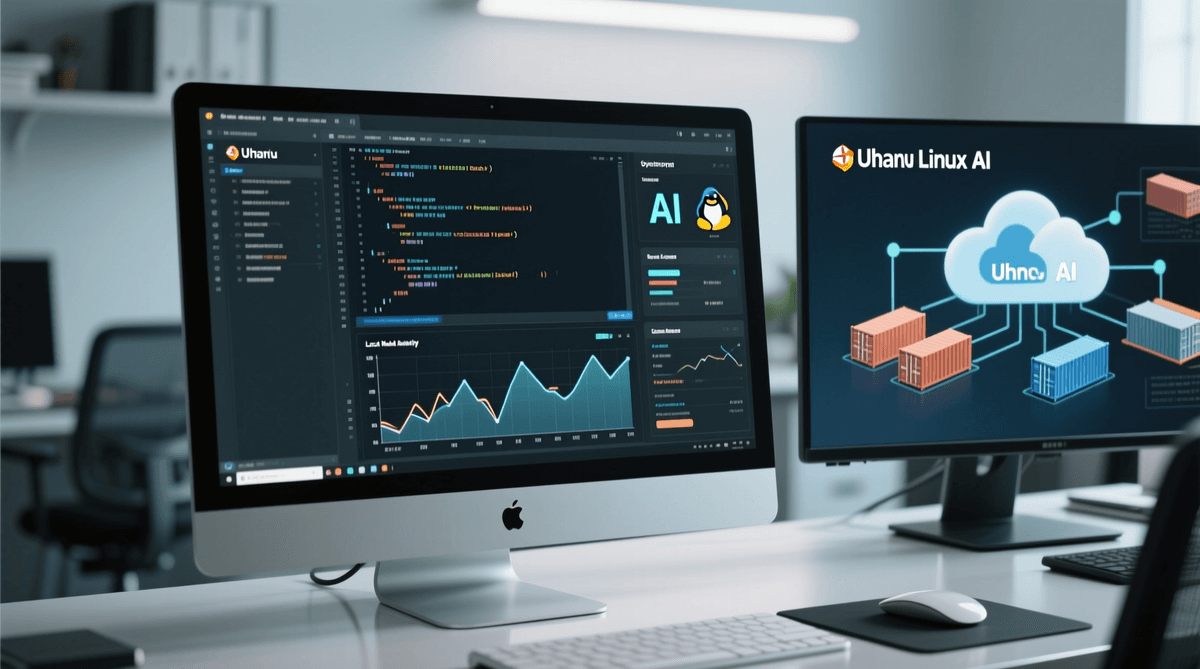
Ubuntu’s AI Turn Could Make the Operating System the Next Competitive Layer
Canonical’s Ubuntu AI push could redefine the operating system as the new layer where AI workflows, trust, and developer productivity are won or lost.

Why Billion-Dollar Bets on Self-Learning AI Could Reshape the Entire Tool Stack
The next AI wave may be defined less by human data and more by systems that learn through interaction, simulation, and feedback.

What China’s Block on Meta’s Manus Deal Signals for the Future of AI Agents
Meta’s reported Manus setback shows AI agents are becoming strategic assets, not just software. That changes how users evaluate tools and how startups build for growth.
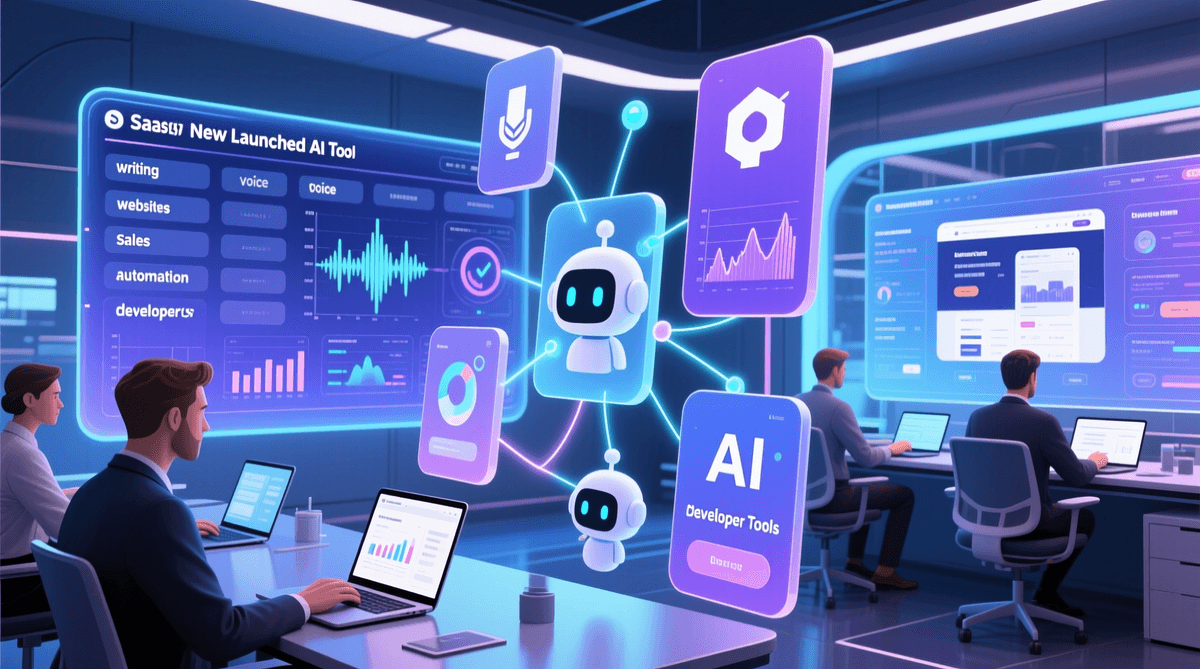
This Week in AI Tools: 10 Standout Additions for April 27, 2026
This week’s top AI tools include free writing and voice apps, AI website builders, lead-gen platforms, and business automation tools worth watching.

Why Human-Centric Vision Models Could Reshape the Next Wave of AI Products
Human-centric vision is becoming core AI infrastructure, unlocking better avatars, more consistent characters, and more reliable multimodal products.

Why Searchable AI Knowledge Bases Are Becoming the New Default for Teams
Searchable AI knowledge bases are shifting enterprise AI from chatbot novelty to trusted infrastructure for retrieval, automation, and action.

When Startup Equity Becomes Real Estate Currency: What AI Buyers and Builders Should Watch
A home listed for AI company equity hints at a larger shift: private startup shares are starting to influence real-world transactions, especially in real estate.

Why OpenAI’s Codex Retreat Signals a Bigger Shift in AI Development
OpenAI’s latest Codex retirement points to a larger industry shift: coding is becoming a built-in feature of general AI, not a separate model category.
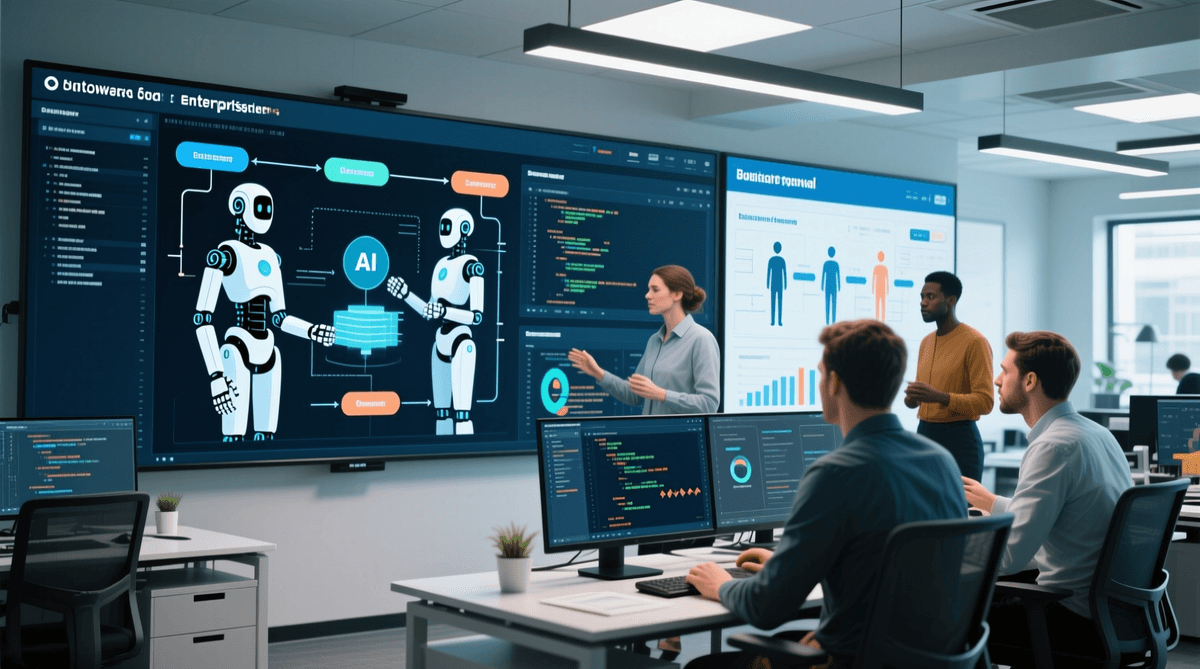
Why AI Agents Are Making Software Engineering Bigger, Not Smaller
AI agents are shifting software engineering from pure coding toward workflow design, governance, and business automation.

Why Real-Time Voice AI Is Becoming the Next Competitive Battleground
Real-time voice AI is shifting from demo feature to core product layer, forcing developers to rethink latency, speech quality, and workflow design.

Why Agent-to-Agent Commerce Could Reshape AI Marketplaces Faster Than Chatbots Did
Agent-on-agent commerce signals a shift from AI chat tools to AI economies, where trust, policy, and marketplace design matter as much as model quality.

AI Accountability Is Entering a New Era of Public Safety Expectations
AI users now expect more than smart outputs. They expect AI companies to have real escalation policies when systems intersect with public safety.

What the Anthropic Mythos Breach Signals for the Next Wave of AI Security
The Anthropic Mythos incident highlights a bigger AI security problem: weak controls around chats, connectors, and fast-built tools may be riskier than the models themselves.

What GPT-5.5’s Higher Price Really Signals for AI Builders
GPT-5.5’s higher API cost may matter less than what it represents: AI pricing is shifting from tokens to completed work and measurable business outcomes.

Why AI Talent Wars Are Reshaping the Tool Stack, Not Just the Headlines
AI talent battles matter less as gossip and more as signals of changing roadmaps, APIs, and developer risk across the model ecosystem.

Why DeepSeek V4 Signals a New Phase for Open AI Models
DeepSeek V4 matters because it strengthens open-model competition, raises the bar for long-context AI, and pushes developers toward multi-model product design.

Why Apple’s Next Chapter Could Redefine the AI App Economy
Apple’s leadership transition and Cursor’s rumored mega-valuation point to a bigger shift: AI interfaces are becoming more valuable than the platforms beneath them.

Why DeepSeek’s Latest Model Preview Signals a New Phase of AI Competition
DeepSeek’s latest preview highlights a bigger shift in AI: the battle is moving from raw model prestige to efficiency, reliability, and better economics for builders.

Why DeepSeek’s Next Move Matters More Than Another Model Benchmark Win
DeepSeek’s latest preview signals a bigger shift than model rankings: AI is becoming a competitive infrastructure market where flexibility may matter more than brand.

Why Asynchronous AI Training Could Reshape Model Reliability, Cost, and Competition
Asynchronous training could lower AI costs, speed up model iteration, and make multi-model app design far more important for developers.

What Agentic AI Really Changes for Builders After the GPT-5.5 Benchmark Leap
The next AI race is not about better chat. It is about models that can complete real work across tools with less supervision and fewer handoffs.

Why AI Startup Acquisitions Are Becoming the New Product Roadmap
AI acquisitions are becoming a shortcut to product maturity. Here’s what that means for AI tool buyers, builders, and the future of enterprise agents.

Why the Next AI Platform Battle May Happen on Rings, Glasses, and Pendants
AI wearables may matter less as standalone gadgets and more as a shared software platform for context, trust, and daily action.

Why Google’s Austria Data Center Signals a New Phase for European AI Infrastructure
Google’s Austria data center points to a bigger shift: AI advantage in Europe will increasingly depend on local infrastructure, compliance, and edge-ready deployment.

India’s AI App Surge Is Real, but the Biggest Opportunity May Be in Building for the Gaps
India’s AI app growth is creating massive demand, but local developers will need sharper monetization and more focused products to keep value from flowing to global platforms.

Tesla’s $25B Bet Signals a New AI Infrastructure Era for Industry
Tesla’s rising capex is a sign that AI’s next winners will be built on infrastructure, operational discipline, and financial resilience—not just better models.

Why Google’s Enterprise Agent Bet Signals a More Technical Future for AI Automation
Google’s enterprise agent strategy points to a future where AI success depends less on chat UX and more on governance, integration, and IT-ready automation.

The Next Bottleneck in AI Drug Discovery Isn’t Generation—It’s Judgment
AI can generate endless drug candidates, but biotech’s real challenge is deciding which ones deserve costly validation. That makes judgment the next big AI product category.

What a Leaked Frontier Cyber Model Means for AI Builders and Buyers
A reported breach of a restricted cyber model highlights a bigger AI shift: trust will depend less on model power and more on secure delivery, access control, and operational discipline.

Why Open-Source Training Agents Could Reshape How AI Products Get Built
Open-source training agents could turn LLM post-training from a specialist bottleneck into a repeatable, automated product advantage.

Why Autonomous Research Agents Could Reshape the AI Tool Stack
Autonomous research agents are changing AI from answer engines into investigation systems. The winners may be defined by trust, connectors, and workflow design—not just model power.

Why Deleted Training Data Won’t End the AI Privacy Reckoning
Deleting disputed photos is only the beginning. The bigger shift is that AI developers now have to treat data provenance and consent as core product infrastructure.

Apple’s Next CEO Inherits an AI Credibility Gap, Not Just a Product Roadmap
Apple’s CEO transition highlights a deeper issue: in the AI era, platform leaders must prove they can orchestrate trust, workflows, and developer momentum.

What a $10 Billion AI Moonshot Signals for Builders, Buyers, and the Next Platform War
A massive new AI funding round signals a tougher model-layer race and a bigger opportunity for startups building practical, governable AI products.

Why Synthetic Personas Will Define the Next Generation of Localized AI Agents
Synthetic personas are becoming critical infrastructure for AI localization, helping developers build agents that reflect real demographic nuance instead of generic translation.

Why Massive Agent Swarms Could Change AI Coding Workflows Faster Than Better Chatbots
The future of AI coding may belong to systems that coordinate work, not just generate answers. Agent swarms could reshape how teams build software and automate execution.

Why AI Products Fail When Builders Stop Listening to Real People
AI users do not want more hype. They want tools that save time, reduce stress, and fit real workflows. That gap is becoming the biggest opportunity in AI.

What Secret Government AI Adoption Signals for Enterprise Buyers
Secretive government AI use points to a bigger market shift: enterprises now care less about hype and more about trust, control, and multi-model resilience.

Why AI’s Next Big Interface Might Be the Dinner Table
AI is moving from prompts to household context. The dinner table may become the next interface for meal planning, memory, and family health tools.

Why Cross-Datacenter LLM Serving Could Reshape AI Apps, Costs, and Reliability
Cross-datacenter LLM serving could change how AI apps handle cost, uptime, and memory—making orchestration a bigger differentiator than model size alone.

Why AI’s Biggest Players Are Buying Time, Talent, and Trust
AI’s next battle isn’t just about better models. It’s about whether companies like OpenAI can turn technical leadership into durable trust, stability, and developer confidence.

Why AI Companies Are Turning Culture Into Product Strategy
AI vendors aren’t just selling models anymore. They’re selling values, governance, and trust—and buyers need to evaluate all three.

What Germany’s AI Image Ruling Could Change for Creators, Startups, and Design Tools
A German AI image ruling may reshape how creative tools are built, pushing startups toward true transformation instead of simple imitation.

Why Complex Charts Are Becoming AI’s Next Reliability Test
AI can read simple charts, but complex visuals expose a major reliability gap. That has big implications for analytics products, enterprise trust, and model routing.

Why xAI’s Voice API Push Signals a New Phase for Enterprise AI Audio
xAI’s standalone voice APIs highlight a bigger shift: enterprise AI voice is becoming core infrastructure, opening new opportunities for specialized speech tools.

What Tesla’s Texas Robotaxi Push Signals for the Next Wave of AI Products
Tesla’s Texas robotaxi expansion signals a bigger shift: AI products are being judged on reliability, operations, and trust—not just impressive demos.

Why Claude Opus 4.7 Signals a New Phase for AI Agents That Actually Finish the Job
Claude Opus 4.7 points to a more important AI shift: agents that can sustain real work, not just impress in short demos.

Why Anthropic’s Washington Rebound Matters More Than One Company’s Politics
Anthropic’s changing posture in Washington signals a bigger shift: AI vendors are now judged not just on model quality, but on political durability and market resilience.

Why AI Is Reigniting the Mobile App Economy
AI is lowering the cost of app creation and raising user expectations, setting up a new era of mobile software built around personalization and speed.

Why DeepSeek’s Fundraising Moment Signals a New Phase for AI Platforms
DeepSeek’s reported fundraising move points to a broader AI market shift: durability, distribution, and business resilience now matter as much as model quality.

Why Open-Weight OpenAI Models Could Reshape AI Development Workflows
Open-weight OpenAI models are not just a deployment option. They signal a future where AI products are built on hybrid stacks optimized for cost, speed, and control.

AI Dating, Trust, and the Coming Battle Over Human Verification
As AI transforms dating, human verification is becoming core infrastructure. The real shift isn’t just safety—it’s who gets trusted, ranked, and seen online.

Dating Apps Are Entering the Proof-of-Human Era
Dating apps are shifting from profile optimization to proof of personhood as AI makes identity easier to fake and harder to trust.

Why the AI Divide Is Becoming a Product Problem, Not Just a Cultural One
AI’s biggest challenge may not be capability, but trust. The widening gap between insiders and users is becoming a product and platform risk.

When Every Company Becomes an AI Company, the Signal Gets Harder to Find
AI hype is easy. Durable AI value is harder. Here’s why users and developers should resist the "AI is inevitable" mindset and focus on measurable utility.

Why Smaller Active Models Could Be the Biggest Shift in Open AI Development
Sparse multimodal models signal a major shift: open AI is becoming efficient enough to power real products, not just impressive demos.

Why Sky-High AI Infrastructure Valuations Signal a New Era for Builders
Massive AI infrastructure valuations are more than hype—they could reshape costs, speed, and opportunity for the next generation of AI tools.

Why AI-Native Studios Are Poised to Reshape Niche Streaming Content
AI-powered studios could make niche streaming audiences far more valuable by lowering production costs and turning content into scalable media ecosystems.

Why Prompt-First Design Platforms Are Reshaping Creative Workflows
Prompt-powered design is becoming the new creative interface, changing how users create and how AI tool developers compete.

Why Voice Translation Is Becoming the Next Battleground in Enterprise AI
Voice translation is shifting from demo-worthy AI to essential enterprise infrastructure, changing how global teams meet, build, and make decisions.

Why AI-Native Marketing Infrastructure Is Becoming the Next SaaS Power Move
AI marketing growth signals a bigger shift: teams now want software that executes, not just reports. That creates new opportunities for both tool buyers and builders.

Why Chat-Based AI Agents Are Becoming the Next Real Productivity Interface
AI agents inside WhatsApp and Telegram signal a bigger shift: productivity software is moving into chat, where execution and trust matter more than flashy demos.

Why Specialized Cybersecurity Models Could Reshape the AI Tool Stack
OpenAI’s cyber-focused model points to a future where AI is segmented by domain, risk, and access control—not just raw capability.
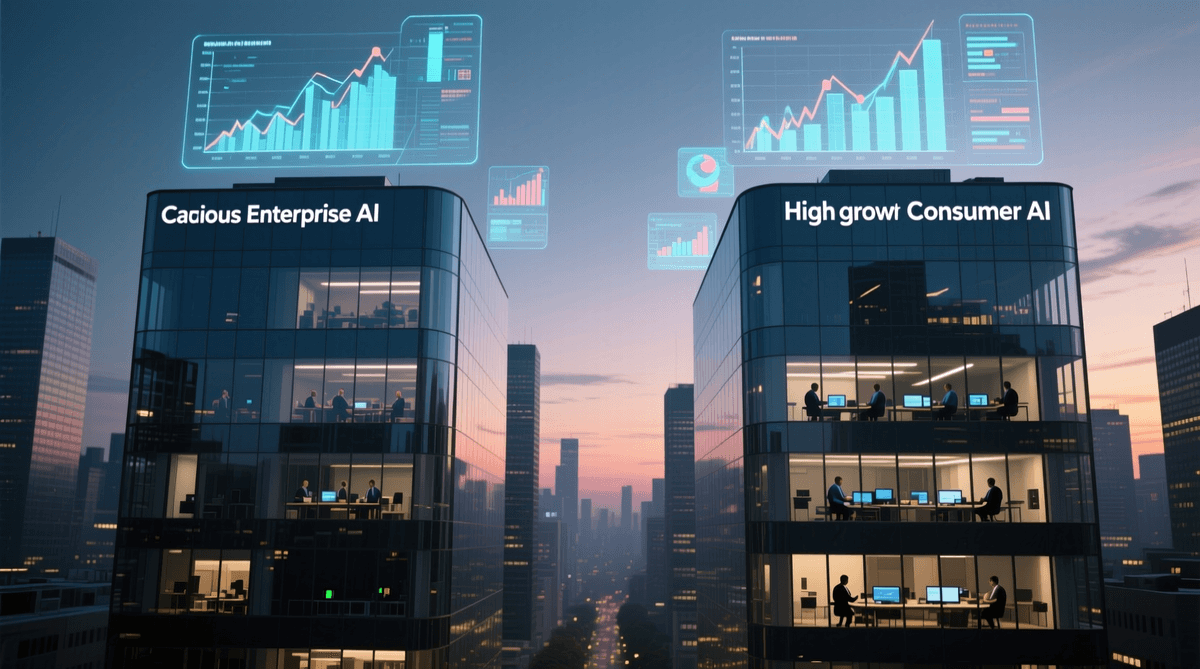
Why Anthropic’s Momentum Is Rewriting How the AI Market Prices Trust
Anthropic’s momentum suggests the AI market is starting to price trust and reliability as core assets, not just raw model performance.

Why Unified Web Infrastructure Could Be the Breakout Layer for AI Agents
The next leap for AI agents may not be smarter models, but dependable web infrastructure that makes real-world automation practical at scale.

Why Browser-Native AI Skills Could Reshape Everyday Automation
Chrome’s new AI Skills point to a bigger shift: prompts are evolving into reusable software-like actions inside the browser.

Why the Fight Over AI Watermarks Matters More Than Whether One System Was Cracked
The real issue isn’t whether one AI watermark was cracked. It’s that provenance systems built on hidden signals alone are entering an unavoidable arms race.

Why Open Audio-Language Models Could Reshape the Next Wave of AI Products
Open audio-language models could push AI beyond transcription into reasoning, emotion, and multimodal product design.

Why Multi-Agent Analytics Pipelines Are Becoming the New AI Stack for Teams
Multi-agent analytics pipelines signal a shift from AI chatbots to operational systems that can turn raw data into reliable business action.

Why OpenAI’s Move Into Personal Finance Could Reshape AI Assistants
OpenAI’s move toward AI-powered financial planning signals a bigger shift: assistants are becoming trusted decision engines, not just chat interfaces.

Why Microsoft’s Next Enterprise Agent Could Validate the OpenClaw Model
Microsoft’s latest agent push signals that AI automation is maturing into real infrastructure — and that may strengthen, not weaken, the OpenClaw ecosystem.

Why OpenAI’s Competitive Push Signals a New Era of AI Lock-In
OpenAI’s latest strategic posture highlights a broader shift in AI: the winners may be the platforms that become hardest to leave, not just the smartest.

This Week in AI Tools: Agents, Image Workflows, and Local-First Power
This week’s top AI tools spotlight practical image workflows, business agents, reusable agent infrastructure, and local-first AI stacks.

AI’s New Security Reality: When Public Tech Leaders Become Physical Targets
The reported attacks linked to Sam Altman highlight a bigger shift: AI companies now face physical, fraud, and governance risks that demand institutional-grade resilience.

Why Multimodal CLI Agents Could Change How AI Products Get Built
Multimodal AI in the terminal signals a bigger shift: the future of AI products will be won by orchestration, not just model quality.

Why Voice-First AI Stacks Are Becoming the Next Big Developer Advantage
Voice AI is becoming a core product layer, giving developers new ways to build faster, more natural apps, bots, and community tools.

Why a Government Push for Bank AI Pilots Could Reshape Trust in Enterprise Models
If banks are being pushed to test frontier AI, the bigger story is how politics, compliance, and governance are becoming the real gatekeepers of enterprise model adoption.

Why AI Vocabulary Now Shapes Product Strategy, Not Just Conversation
AI jargon is no longer just buzzword territory. Terms like hallucination and agent now directly shape product design, vendor evaluation, and user trust.

Why the New AI Coding Battle Will Reshape Developer Tools
AI coding tools are no longer just autocomplete. They are fighting to own the entire developer workflow, creating new opportunities and new forms of lock-in.
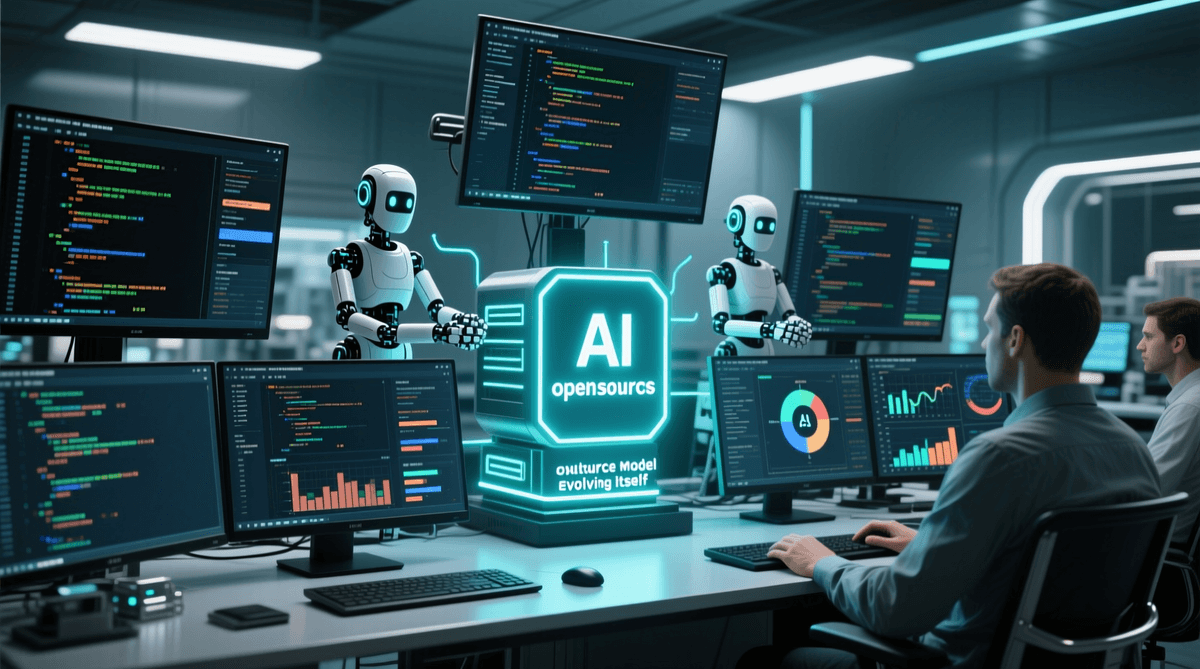
Why Self-Evolving Agent Models Could Reshape the Open AI Stack
MiniMax’s latest open release highlights a bigger shift: AI models are becoming adaptive software agents, pushing developers toward memory, orchestration, and feedback-driven design.

Why KV Cache Compression Could Be the Next Breakthrough for Fast, Affordable AI Agents
KV cache compression could do more than speed up LLMs—it may make long-running AI agents, coding copilots, and local workflows affordable at scale.

Why AI Leadership Drama Now Matters to Every Builder and Buyer
The latest OpenAI controversy highlights a bigger shift: AI buyers now evaluate leadership trust, governance, and resilience alongside model performance.

AI Propaganda Has Entered Its Content Marketing Era
The real story in AI-driven wartime media isn’t memes. It’s how propaganda now operates like a high-speed content team—and what that means for builders.

Why Trust Online Is Becoming the Hardest Problem in AI
AI is making content easier to create, but much harder to verify. The next competitive edge for AI tools may be trust, provenance, and auditability.

Why Multimodal Memory Graphs Could Redefine AI Search for Images and Video
Multimodal RAG is shifting AI from brute-force context stuffing to smarter visual memory, with big implications for search, design, and enterprise workflows.

AI’s Security Wake-Up Call: What Threats Against Tech Leaders Mean for Builders
The alleged attack targeting Sam Altman underscores a new reality for AI: builders must prepare for physical, reputational, and social risks—not just model safety.

What Anthropic’s OpenClaw Clash Signals for the Future of AI Agent Platforms
The OpenClaw-Anthropic clash highlights a bigger issue in AI: builders need resilient agent stacks, not just powerful models.

Why Powerful AI Models Could Finally Make Secure Software a Competitive Advantage
Advanced AI models won’t just empower attackers—they’ll punish insecure software design and make security a true product differentiator.

AI Video Generation for Web Developers: Integrate Dynamic Video Into Any Site
Web developers can now add AI-generated video to websites programmatically. Learn how to use AI video APIs to create dynamic video content, boost engagement metrics, and build next-generation web experiences.

How AI Video Generators Are Transforming Content Marketing in 2025
Content marketers are producing more video than ever—and AI is the engine behind the shift. Here's how AI video generation is reshaping marketing workflows, reducing costs, and driving better engagement.

The Ultimate Guide to AI Video Generation: Tools, Tips, and Best Practices
Discover how AI video generators are changing content creation. Learn practical tips for crafting compelling videos using artificial intelligence, from writing effective prompts to optimizing output for every platform.
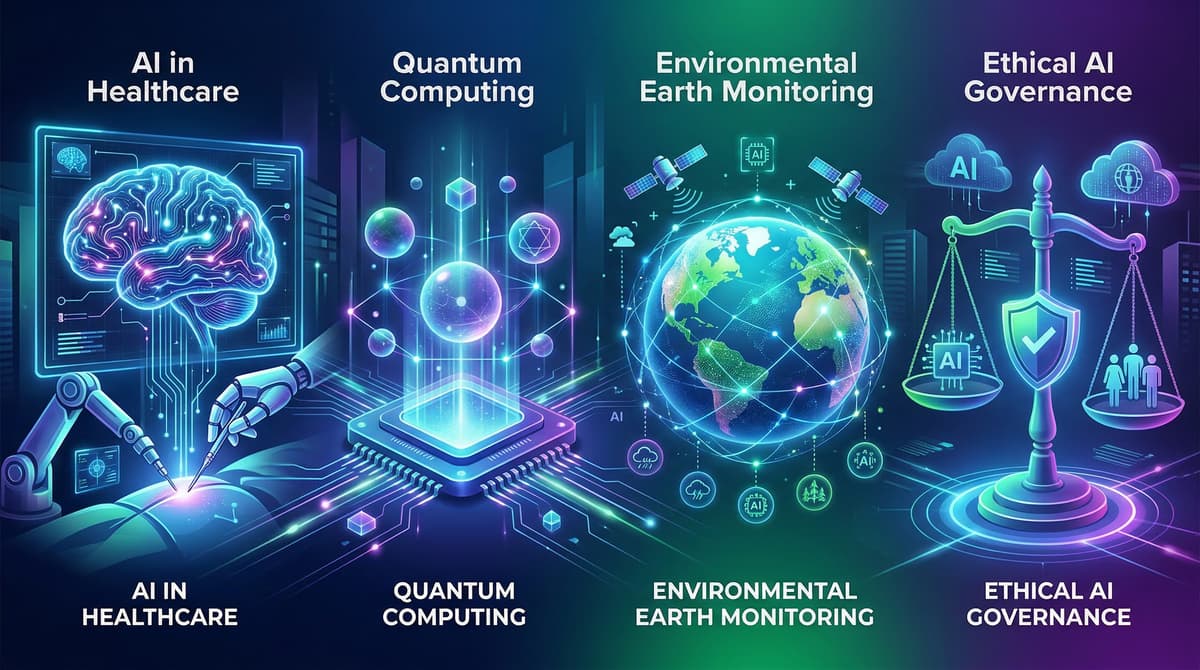
Top AI Innovations: Healthcare, Quantum, Ethics & Sustainability in Focus