What Anthropic’s OpenClaw Clash Signals for the Future of AI Agent Platforms
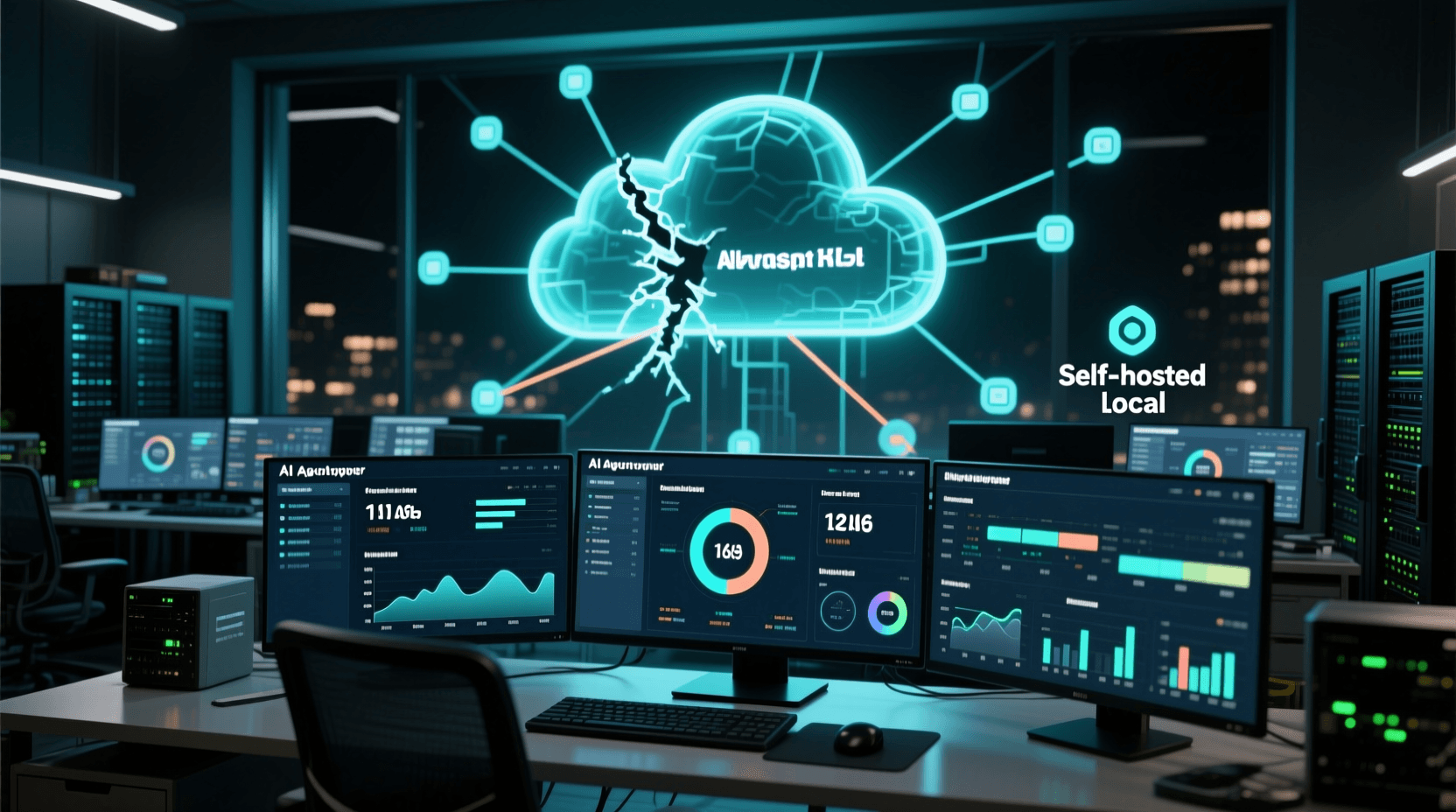
The temporary ban of OpenClaw’s creator from accessing Claude is more than a platform dispute. It’s a reminder that the AI agent economy is being built on infrastructure that many developers do not fully control.
For users, this kind of incident raises a simple but important question: if your workflow, product, or side business depends on a single model provider, how resilient is it really? For builders, the lesson is even sharper. The next generation of AI tools won’t be judged only by how smart the model is. They’ll be judged by portability, hosting flexibility, pricing durability, and the ability to survive sudden policy shifts.
The real issue isn’t drama. It’s dependency.
A lot of the conversation around model providers focuses on capability benchmarks, context windows, and price-per-token. Those matter, but the OpenClaw situation highlights a more operational risk: access can change faster than your product roadmap.
This is especially relevant for agent builders. Agents are not just chat interfaces. They are persistent systems with prompts, memory, automations, tools, and often paying users on top. When the underlying model relationship becomes unstable, the disruption ripples outward. Support tickets rise. margins tighten. Product promises become harder to keep.
That means the strategic question for AI startups is shifting from “Which model is best today?” to “Which stack can absorb change tomorrow?”
AI agents are becoming infrastructure businesses
The market still talks about AI agents as if they are novelty apps. In reality, many are evolving into infrastructure products. They run continuously, execute workflows, and increasingly serve as digital labor for creators, operators, and small businesses.
That changes the purchasing criteria.
Users want reliability more than experimentation. They want an agent that stays online, remains private when necessary, and doesn’t require them to become part-time DevOps engineers. Developers want deployment paths that reduce friction and preserve optionality.
That’s why managed hosting around OpenClaw-style ecosystems is becoming important. Tools like Agent37 point to a maturing layer in the market: managed OpenClaw hosting combined with infrastructure for monetizing Claude skills. That combination matters because it treats AI agents not just as personal assistants, but as economic assets. If developers can package, host, and monetize their agent workflows, they become less dependent on one-off platform goodwill and more focused on building durable businesses.
The rise of “AI sovereignty” for everyday builders
Large enterprises have long cared about vendor lock-in. Now independent developers and power users need to care too.
The practical version of AI sovereignty is not running your own giant model from scratch. It’s having enough control over deployment and enough flexibility in your stack that a pricing change, moderation shift, or account action doesn’t wipe out your workflow overnight.
This is where simpler deployment products have a real edge. PrivateClawd reflects a growing demand for private, always-on AI automation without the usual server maintenance burden. That matters because many users want the benefits of persistent agents without exposing themselves to unnecessary operational complexity. Privacy and uptime are no longer premium concerns reserved for enterprise teams; they’re becoming baseline expectations for serious AI users.
And for less technical builders, ClawOneClick shows another important trend: zero-code managed hosting for 24/7 assistants. If installing and maintaining an agent becomes as easy as launching a SaaS app, the market opens far beyond developers. But ease of use only solves part of the problem. The deeper value is that these platforms can act as a buffer between users and the volatility of raw AI infrastructure.
What developers should do next
If you build on top of any frontier model provider, this is a good moment to revisit your architecture.
First, separate your product identity from your model identity. Users should love your workflow, your interface, your integrations, and your reliability—not just the fact that you happen to use Claude or any other model.
Second, design for substitution where possible. Even if one model is clearly your preferred option, your business should not collapse if pricing or access changes abruptly.
Third, invest in deployment layers that reduce operational fragility. Managed hosting, private agent environments, and monetization infrastructure are no longer “nice to have.” They are becoming part of the core stack.
Finally, be honest with users about where the dependencies are. AI products gain trust when they acknowledge the limits of the ecosystem instead of pretending every external service is stable forever.
The next competitive edge is resilience
The AI industry spent the last two years competing on intelligence. The next phase will compete on resilience.
The winners may not be the companies with the flashiest demos. They may be the ones that help users run agents continuously, adapt across model providers, and preserve value when upstream platforms become unpredictable.
That is why incidents like this matter beyond one creator or one access dispute. They expose a structural truth: the most valuable AI tools of the next few years will not just generate better answers. They will give users confidence that their automations, businesses, and digital workflows can keep running when the ground shifts underneath them.
For AI tool users and developers alike, that is the real story.