What Viral Camera Apps Teach AI Builders About the Next Creator Software Boom
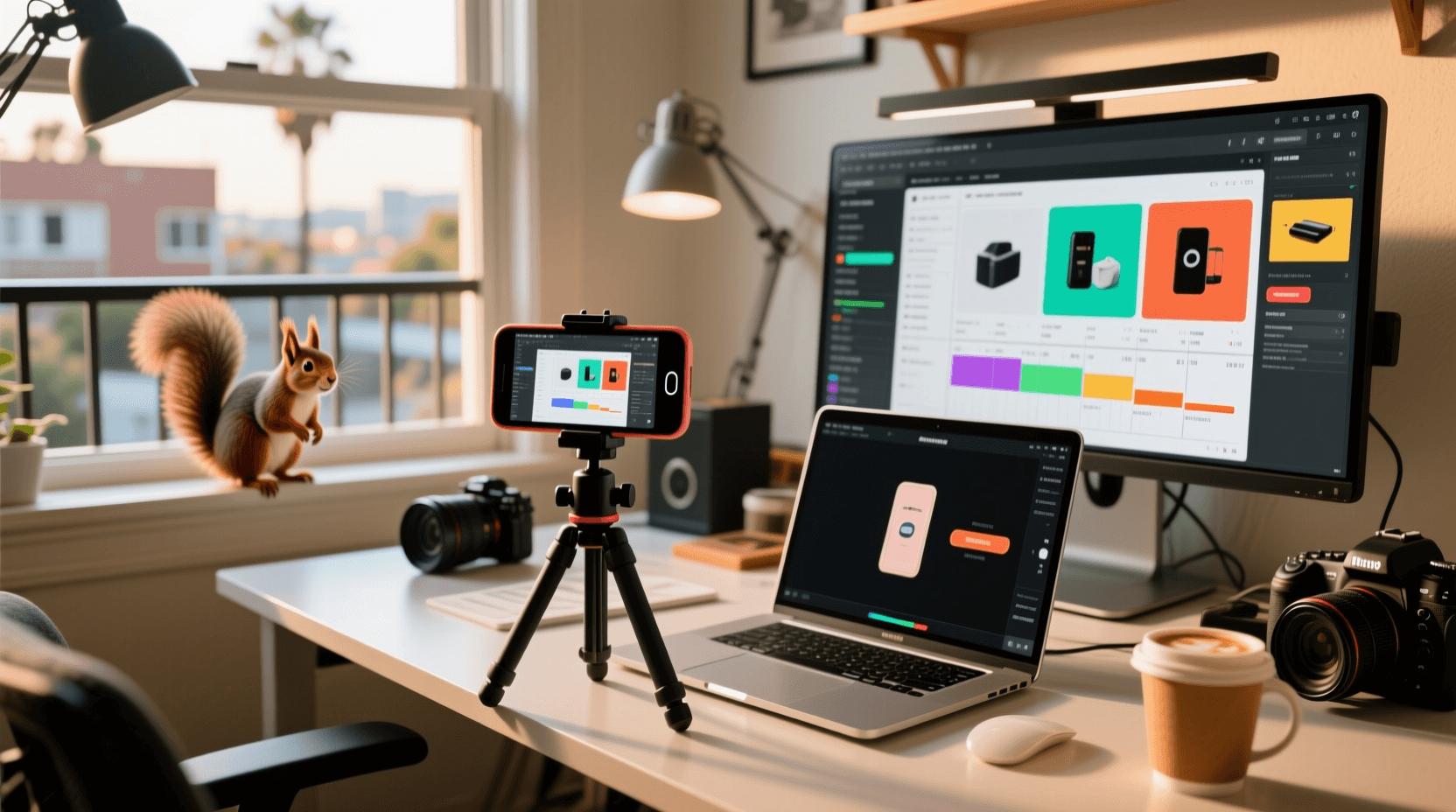
A breakout camera app doesn’t become a hit just because it has clever engineering. It wins because it fits a behavior people already want, then removes enough friction that sharing feels inevitable.
That’s the real lesson behind the latest viral camera-app success story. The headline may focus on an unlikely founder journey and a charming internet persona, but the bigger signal for AI builders is this: creator tools are entering a phase where personality, workflow design, and distribution matter as much as model quality.
The new moat is taste, not just tech
For the last two years, AI product launches have often sounded the same: faster generation, better quality, lower cost, more automation. Those improvements matter, but they’re increasingly table stakes. What users remember is whether a tool helps them make something they’re proud to post.
Camera and recording apps sit right at that intersection. They’re not purely utility software anymore. They’re identity software. People use them to present products, document work, tell stories, and perform expertise.
That’s why the next wave of winners likely won’t be the apps with the most AI features. They’ll be the ones with the strongest point of view on output. A polished result, a recognizable visual style, a workflow that feels almost playful—those are sticky advantages.
This is especially relevant for developers and indie makers building in the “capture-to-content” category. Users don’t want ten toggles and a prompt box. They want a tool that understands the format they’re trying to produce.
Why creator workflows are collapsing into a single step
The old workflow looked like this: record, export, edit, caption, annotate, upload, share. Every handoff was a chance to abandon the project.
AI is compressing that chain into one action. That’s where the biggest opportunity is.
Tools like Vibrantsnap point toward this future clearly: record your screen, let AI auto-edit the footage, generate voiceover and captions, and end up with a polished demo in minutes. That’s not just convenience. It changes who is willing to create in the first place. The person who never learned video editing can suddenly ship a launch clip, tutorial, or customer update without opening three separate apps.
The same pattern applies to static visuals. A screenshot used to be raw material; now it’s often the finished asset. Products like ScreenSnap Pro matter because they turn a basic capture into something presentation-ready with backgrounds, annotation, and instant sharing. For AI startups, that’s huge. Product communication is no longer a side task delegated to a designer. It’s part of the build loop.
When capture tools become publishing tools, they stop competing on feature lists and start competing on momentum.
Distribution is becoming product design
One underappreciated truth about modern software: the best products are designed for where they will be seen, not just how they will be used.
A camera app that creates instantly shareable outputs is effectively building its own marketing engine. Every exported clip, every annotated screenshot, every side-by-side reaction video becomes an ad for the tool. That’s why these products can feel “overnight” successful. The distribution is embedded in the artifact.
This is also why founders with an existing audience, a distinctive online persona, or a clear sense of internet culture can outperform technically stronger teams. They understand not only how users create, but why they share.
For AI developers, that should change roadmap priorities. Before adding another model integration, ask:
- Does the output look native to TikTok, X, YouTube Shorts, LinkedIn, or product communities?
- Does the tool help users publish faster than they can overthink?
- Does every exported asset subtly advertise the product?
Those questions are increasingly more important than benchmark gains users will never notice.
The rise of “micro-studio” software
We’re moving into an era where solo creators, founders, and small teams expect studio-quality output from lightweight tools. Not enterprise suites. Not agency workflows. Just fast, opinionated software that makes them look competent on camera and clear in communication.
That creates a major opportunity for AI tool builders listed in discovery hubs and product directories. People are actively hunting for the next edge in content creation, product demos, and social storytelling. Platforms like That App Show are valuable in this environment because they help surface the tools that are actually shaping behavior, not just raising funding.
The broader takeaway is that AI software is becoming less about generating from scratch and more about refining intent. The user already knows what they want to say. They need help packaging it beautifully and quickly.
What AI builders should do next
If you’re building for creators, developers, or product teams, the opportunity is not “make another generic AI editor.” It’s to own a specific moment in the workflow:
- the screenshot that becomes a changelog post
- the recording that becomes a sales demo
- the reaction clip that becomes a social asset
- the rough explanation that becomes a polished tutorial
The hottest apps of the next year will likely feel less like software and more like creative shortcuts with personality. They’ll be memorable, visually opinionated, and deeply aware of internet-native formats.
That’s the bigger story here. Viral camera apps are not just entertainment-tech curiosities. They’re proof that in AI, the winning product is often the one that best understands human expression—and gets out of the way just in time for people to hit publish.