Why AI-Driven Cosmetic Services Are Becoming the Next Global Tech Platform
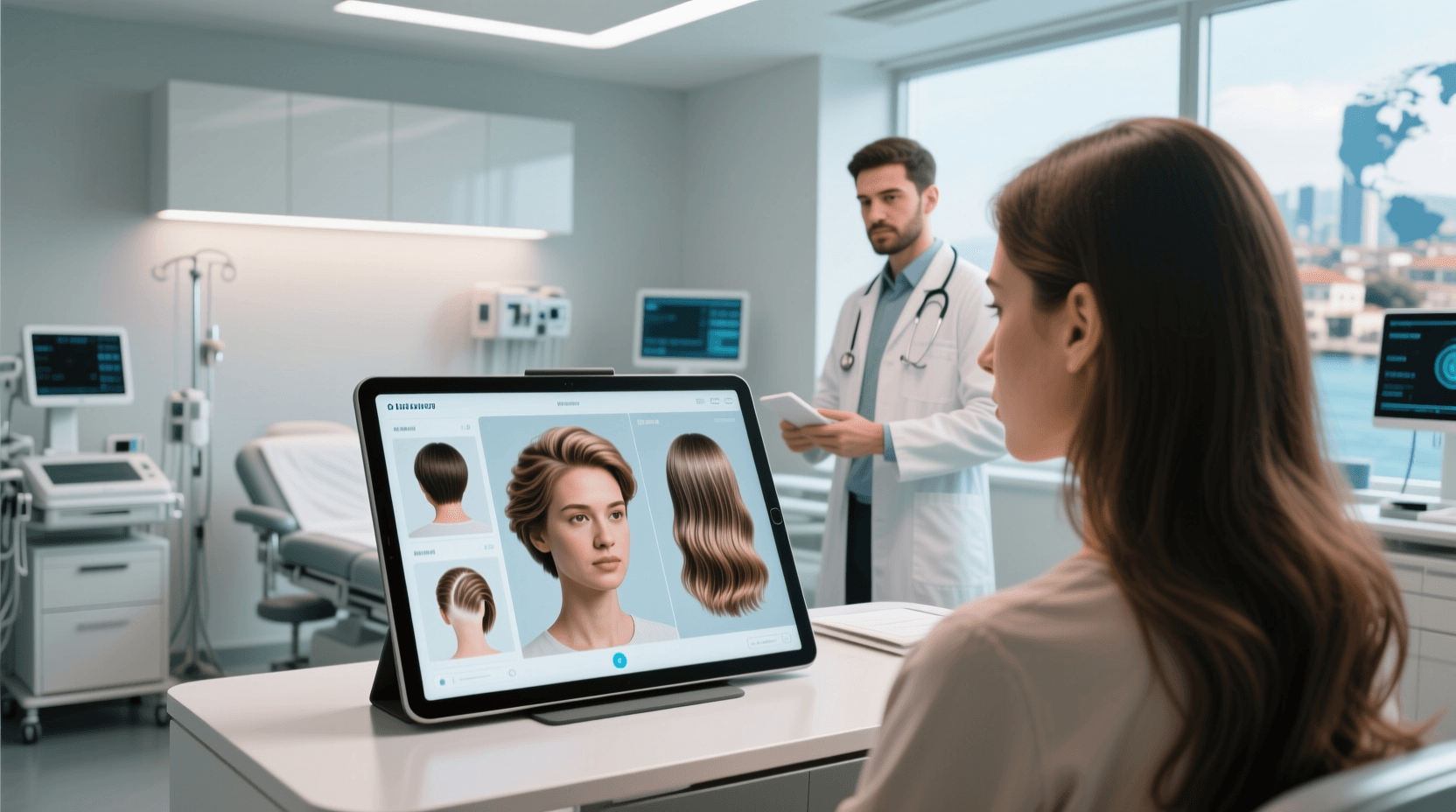
Turkey’s rise as a global destination for hair restoration is a useful reminder that AI doesn’t always transform industries by replacing them. Often, it scales them. The most interesting part of this story isn’t hair transplants themselves. It’s the playbook: take a high-demand service, standardize workflows, layer in specialized hardware, optimize logistics, and then use machine learning to improve consistency, throughput, and customer confidence.
That formula matters far beyond cosmetic medicine. It signals where AI tool builders may find the next wave of practical opportunity: not in vague “AI for everything” products, but in tightly scoped vertical experiences where trust, visualization, and repeatable outcomes are everything.
The real innovation is operational, not just clinical
When people hear about AI in aesthetic services, they often imagine futuristic robots performing procedures autonomously. That makes for flashy headlines, but the deeper shift is operational intelligence. In industries like hair restoration, clinics win when they reduce uncertainty for customers, shorten consultation cycles, and make outcomes feel more predictable.
That is exactly where AI excels.
Image analysis, pattern recognition, simulation, and workflow automation can turn what used to be a highly subjective consultation into a more data-guided experience. Patients don’t just want a procedure; they want confidence. They want to know what is realistic, what style fits them, how recovery may affect appearance, and whether the result aligns with their identity.
This is why consumer-facing visualization tools are quietly becoming part of the same ecosystem. Products like Hair Filter and HairChanger AI show how AI can reduce hesitation before any medical or cosmetic commitment is made. Even if these tools are not clinical devices, they train users to expect personalized previews, rapid experimentation, and a sense of control over appearance decisions.
That expectation is only going to grow.
AI is turning consultation into a product
One underappreciated trend in AI is that the “before” stage of a service is becoming as important as the service itself. In cosmetic industries, the consultation used to be a bottleneck. It required expert time, often happened late in the funnel, and depended heavily on subjective communication.
Now the consultation can become interactive, visual, and partially self-serve.
A user can test hairstyles, colors, and facial hair options before ever speaking to a clinic or stylist. That changes customer behavior in two ways. First, it increases intent: people arrive with clearer goals. Second, it raises standards: they expect providers to meet the same level of personalization they’ve already experienced in consumer apps.
For developers, this creates a major product opportunity. The winning tools in beauty, wellness, and elective care may not be standalone generators. They may be decision-support layers embedded into booking flows, intake forms, telehealth portals, and clinic CRMs.
In other words, AI isn’t just making images. It’s building demand infrastructure.
The next moat is trust calibration
There is also a cautionary angle here. As AI-generated previews become more convincing, the line between inspiration and expectation can blur. That is a business risk and an ethical one.
If a user sees an idealized result in an app, then receives a materially different real-world outcome, disappointment is inevitable. For developers building tools in this category, realism matters more than virality. The best products will not simply generate flattering transformations; they will calibrate trust.
That means showing ranges instead of certainties, explaining limitations, and making clear where simulation ends and professional evaluation begins. The companies that get this right will be better positioned than those chasing purely aesthetic engagement metrics.
This is especially important as more sectors adopt the same model. Teeth alignment, skin treatments, body contouring, dermatology, and even fashion retail are all moving toward AI-assisted visualization. The challenge won’t be whether AI can create compelling previews. It will be whether those previews lead to better decisions.
Vertical AI wins when distribution is built in
Turkey’s example also highlights something startup founders sometimes overlook: technology alone is rarely enough. The real advantage comes when software is paired with a distribution engine. In this case, that includes medical tourism, social proof, package pricing, multilingual sales operations, and highly optimized patient acquisition.
For AI founders, the lesson is clear. If you’re building for a vertical market, think beyond the model. Ask how your product fits into discovery, conversion, scheduling, follow-up, and referrals. A good AI feature can attract attention. A full-stack workflow can dominate a category.
That’s why staying close to trend signals matters. Platforms like AI Tech Viral are useful not just for spotting flashy launches, but for identifying where AI is moving from novelty into infrastructure. The most valuable opportunities often appear when a tool category stops feeling experimental and starts becoming expected.
What this means for AI tool users
For users, the takeaway is simple: expect more industries to offer AI-guided personalization before you buy, book, or commit. Whether you’re exploring a new haircut with Hair Filter, testing a virtual makeover in HairChanger AI, or tracking broader product shifts through AI Tech Viral, you’re participating in a larger change.
AI is making appearance-based decisions more visual, more immediate, and more consumer-controlled.
For developers, this is a signal to build narrower, deeper, and more responsibly. The future of AI may look less like a general chatbot and more like a highly tuned decision layer inside industries people already spend billions on. Cosmetic services just happen to be one of the clearest early examples.