Why Prompt-First Design Platforms Are Reshaping Creative Workflows
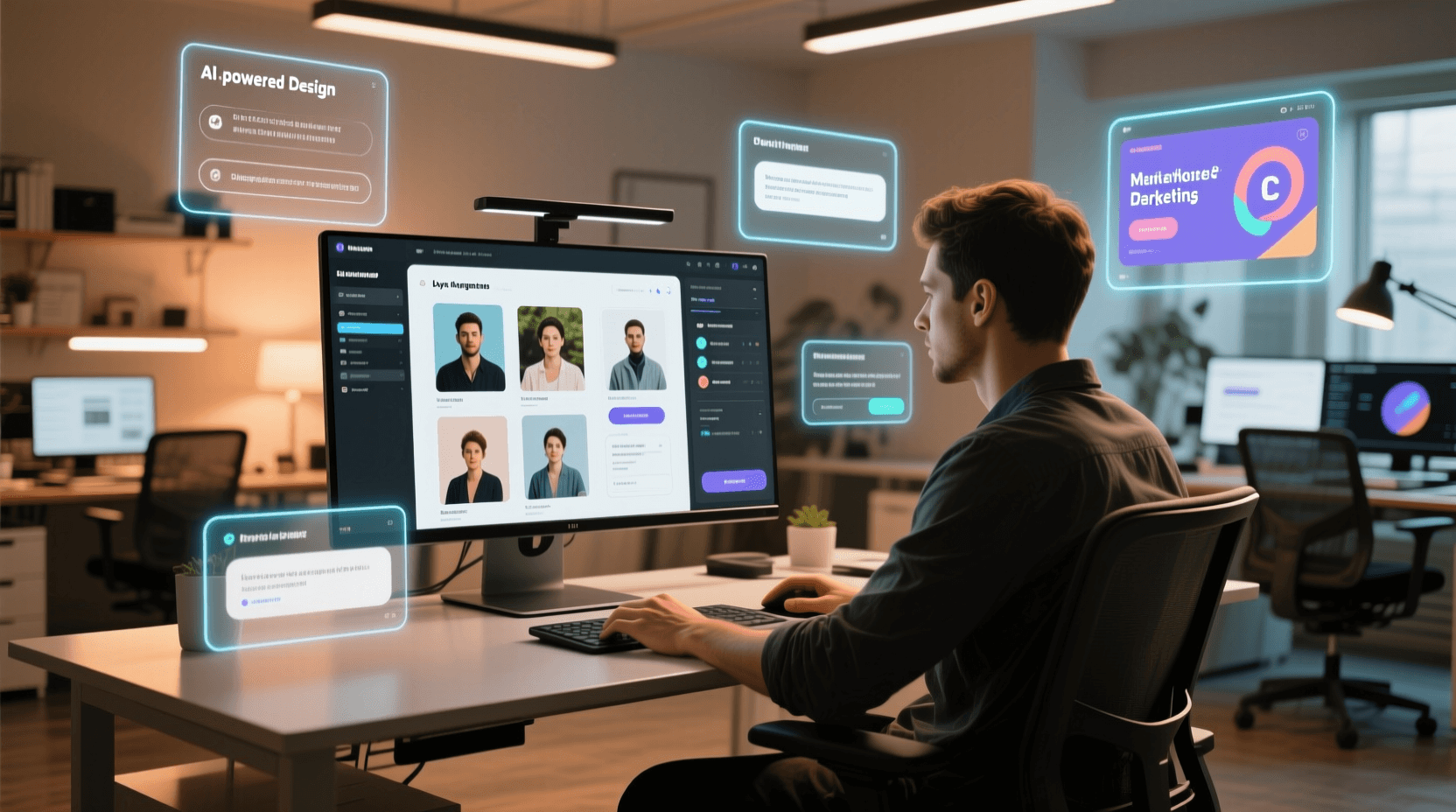
Prompting is no longer just a feature bolted onto creative software. It is quickly becoming the interface.
That shift matters far beyond one product launch. When a major design platform reorganizes itself around natural-language creation, it signals a broader industry transition: the future of creative work may be less about mastering menus and more about directing systems.
For AI tool users and developers, this is a bigger story than "design got easier." It changes how visual content is produced, who can produce it, and what kinds of tools will win in the next phase of the market.
The real product is not the canvas
For years, creative software competed on depth: more controls, more panels, more precision. AI changes the competitive axis. The new battleground is orchestration.
The most valuable platforms will not simply offer image generation, writing assistance, or layout suggestions as isolated features. They will connect those actions into a fluid chain: brainstorm, generate, revise, localize, resize, publish. In that world, the canvas is just one surface in a larger production system.
This is why prompt-powered design tools are so important. A prompt is not merely a command. It is a universal input layer that can trigger multiple models and workflows at once. "Make this ad more playful, adapt it for Instagram Stories, and swap the background for a summer travel theme" is far more powerful than clicking through three separate toolsets.
That convenience is exactly what businesses want. Marketing teams do not need more standalone AI widgets. They need fewer handoffs.
Prompting lowers the skill floor, not the quality bar
One of the most misunderstood ideas in AI design is that easier creation automatically means lower-quality output. In practice, prompt-first tools lower the skill floor while raising expectations.
More people can now produce decent first drafts. That is great for startups, solo creators, and small teams that cannot afford a full design department. But once everyone can generate a decent draft, the competitive edge shifts to taste, brand consistency, editing discipline, and workflow speed.
That is where specialized tools still matter. For example, ImageVibe helps users transform text and existing visuals into stronger prompts, which is increasingly valuable in a world where the prompt itself becomes creative infrastructure. If prompting is the new interface, tools that improve prompt quality become force multipliers.
Likewise, Design0 reflects another important trend: simplifying design without stripping away the ability to produce polished visual assets. As AI-native design becomes more mainstream, users will favor products that reduce friction but still preserve a sense of control.
And for iterative visual editing, Image to Image AI points to where the market is headed next. Users do not just want to generate from scratch. They want to reshape, restyle, and refine existing images through natural language. That editability is essential because most real creative work is revision, not generation.
The winners will be platforms that understand intent
The next stage of AI design is not about who has the flashiest generator. It is about who best interprets user intent.
A designer saying, "make this cleaner" may mean fewer visual elements, more whitespace, sharper hierarchy, or a more premium color palette. A marketer asking for "higher conversion" may want clearer calls to action, stronger emotional framing, or more product emphasis. The challenge is no longer just producing images. It is translating ambiguous human goals into useful creative decisions.
That creates a major opportunity for developers building AI tools and APIs. Generic generation is becoming commoditized. Intent-aware tooling is not.
Developers should pay attention to three areas:
- Context retention: tools that remember brand guidelines, campaign goals, and prior edits will outperform one-off generators.
- Editable outputs: users need structured, revisable assets, not just flattened images.
- Workflow interoperability: the best products will plug into broader stacks, from asset libraries to publishing systems.
In other words, prompt-powered design is not just a UX trend. It is an architecture trend.
Centralization is useful, but it creates new risks
There is also a tradeoff here. As design platforms become all-in-one AI workspaces, they become more convenient and more controlling.
For users, centralization reduces tool sprawl. For developers, it raises the stakes. If one platform becomes the default place where ideation, asset generation, editing, and collaboration happen, smaller AI products risk being squeezed out unless they offer exceptional specialization or integrate seamlessly.
That is why niche tools should not try to out-generalize the giants. They should go deeper. Better prompting, better style transfer, better image revision, better brand control, better outputs for specific industries—these are durable advantages.
The broader lesson is simple: AI is not eliminating creative tools. It is reorganizing them into layers. Large platforms will own aggregation and workflow. Smaller tools will win by sharpening key moments in the process.
What this means for AI users right now
If you create content, the practical takeaway is to start thinking less in terms of software mastery and more in terms of creative direction. Your ability to describe, refine, and evaluate ideas is becoming as important as your ability to execute them manually.
If you build AI products, the message is even clearer: do not just add prompting. Design around it. Assume users want conversational control, iterative editing, and outputs that fit into real production pipelines.
Prompt-first design is not a novelty anymore. It is becoming the default expectation. The companies that understand that shift will not just help people make prettier graphics. They will define how creative work gets done.