Why Smarter Admin Dashboards Are Becoming the Real AI Interface for Modern Apps
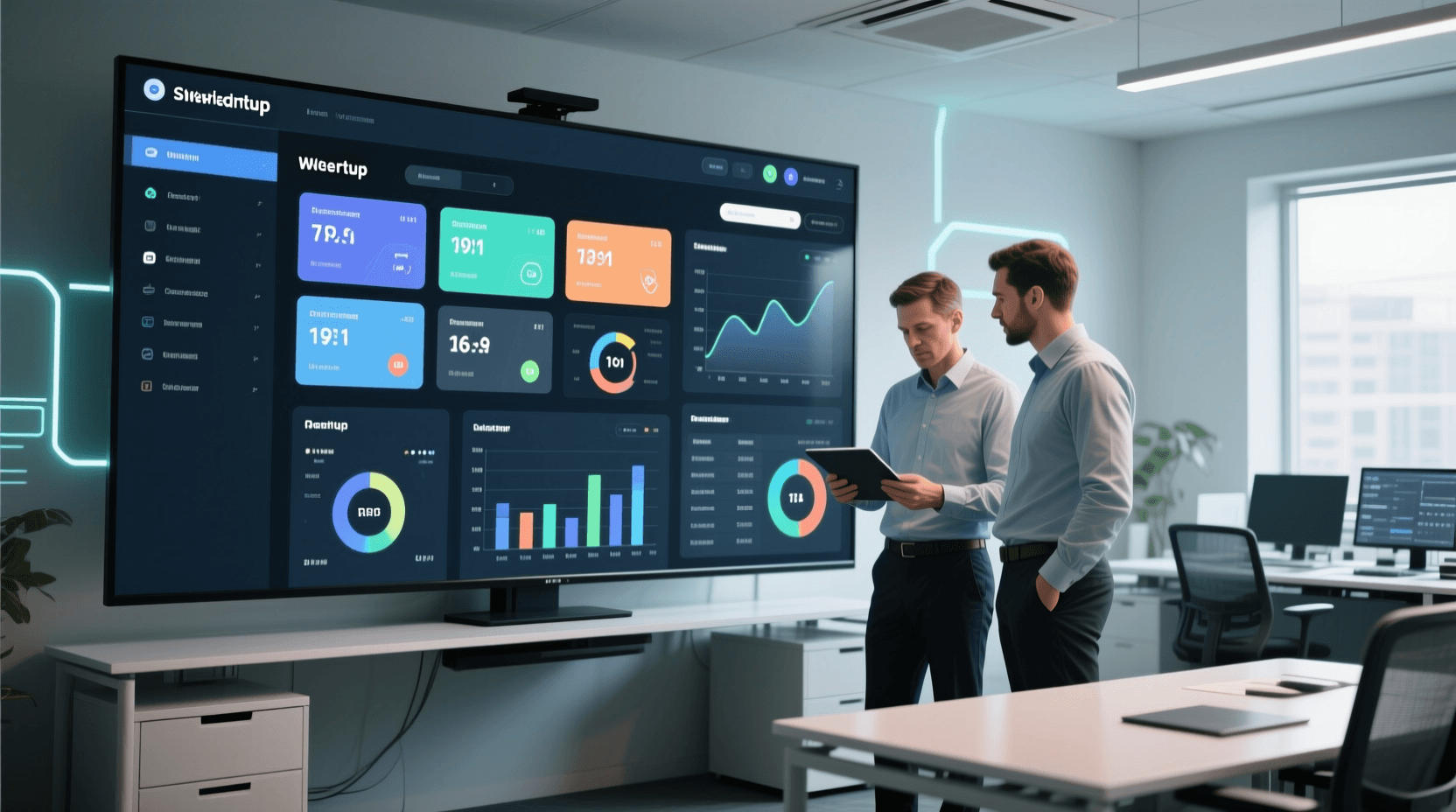
Most AI product conversations still obsess over chat interfaces, copilots, and model benchmarks. But for many teams, the real battleground is much less glamorous: the admin dashboard.
That is where operations happen. It is where support teams investigate anomalies, marketers check campaign performance, product managers monitor adoption, and founders try to answer the same urgent question every day: what is actually happening in the business right now?
A modern Django admin dashboard matters because it turns a back-office tool into a decision surface. When developers add custom models, filters, actions, and KPI views, they are not just making the admin prettier. They are redesigning how humans interact with operational data. And that has major implications for AI tool users and builders.
The admin panel is evolving from CRUD to command center
Traditional admin panels were built for record management: create, read, update, delete. Useful, but passive. The new generation of dashboards shifts the role of admin from database access layer to operational cockpit.
That change is important because AI works best when it is embedded inside existing workflows rather than bolted on as a novelty. A support lead does not want to open five tools, export CSVs, and ask a chatbot to explain churn. They want the answer near the customer records, order history, and recent alerts they already use.
This is why dashboard customization matters more than it may appear. Filters are not just UI controls; they are the first layer of reasoning. Actions are not just shortcuts; they are workflow automation. KPI cards are not just visual decoration; they are compressed business context.
When developers treat the admin as a living product rather than an internal afterthought, they create the perfect foundation for AI-assisted operations.
AI needs structured context, and dashboards provide it
One of the biggest mistakes teams make with AI is assuming the model is the product. Usually, the model is the least differentiated part. The hard part is context: clean data, meaningful groupings, trusted metrics, and interfaces that help users move from insight to action.
A dashboard with well-defined models and business logic gives AI something useful to work with. If your admin already knows what counts as an active customer, delayed order, high-value lead, or risky refund pattern, then summarization and recommendation layers become dramatically more valuable.
That is where tools like Fusedash fit naturally into the conversation. Teams increasingly want more than static KPI tiles; they want dashboards, charts, maps, and conversational data exploration from the same dataset. The future is not just “see the metric,” but “ask why it changed” and “show me the segment driving it.”
For Django developers, this means the internal admin can become the operational source of truth, while dedicated AI visualization layers can extend that data into richer stakeholder experiences.
Internal dashboards are becoming product differentiators
There is also a strategic business angle here. Better admin systems do not just help employees; they can directly improve customer experience.
If your operations team can filter exceptions faster, trigger bulk actions safely, and spot revenue-impacting issues earlier, customers feel the difference. Orders get resolved faster. Fraud gets caught sooner. Inventory mistakes shrink. VIP accounts receive better handling.
In other words, internal UX is now external leverage.
This is especially relevant for startups and service businesses that need polished digital infrastructure without building every layer from scratch. A strong admin dashboard handles internal complexity, while the public-facing site still needs to inspire trust and convert visitors. That is why teams often pair backend operational improvements with front-end specialists like Kataloop, which focuses on visually strong, technically robust Webflow builds. The combination matters: operational clarity inside, conversion-focused experience outside.
KPI dashboards are only useful if they connect to revenue
There is a danger in dashboard culture too: metric theater. Teams can spend weeks building elegant admin widgets that look impressive but do not help anyone make better decisions.
The real test of any KPI view is whether it changes behavior. Does it help a founder allocate budget? Does it help a marketer identify a failing channel? Does it help an ops manager catch bottlenecks before they become customer complaints?
That is why revenue attribution and business outcomes should sit close to administrative data. A dashboard showing traffic and signups is fine; a dashboard showing which channels actually produce customers is much better. Tools like DataFast are compelling in this context because they focus on the entrepreneur’s actual question: which marketing inputs create revenue, from first click to conversion, without drowning users in analytics noise.
For developers building admin experiences, the lesson is clear: design around decisions, not just data.
The next wave: AI-native admin systems
The most interesting implication of this trend is what comes next. Today, developers add filters, badges, bulk actions, and summary cards. Tomorrow, those same systems will include AI-generated anomaly detection, natural-language drilldowns, suggested next actions, and role-specific summaries.
But none of that works well unless the underlying admin is thoughtfully modeled. AI-native operations will not emerge from messy tables and generic dashboards. They will come from systems where business logic is explicit, workflows are intentional, and metrics are trusted.
That is why tutorials on advanced admin customization matter beyond Django. They point toward a broader shift in software: the admin dashboard is no longer just where software gets managed. It is where intelligence gets operationalized.
For AI users, that means better answers in the tools they already use. For developers, it means a huge opportunity to build interfaces that do more than display data. They can help teams understand, decide, and act.
And in practice, that may be more valuable than yet another chatbot.