YouTube’s Deepfake Detection Push Signals a New Era for AI Creators
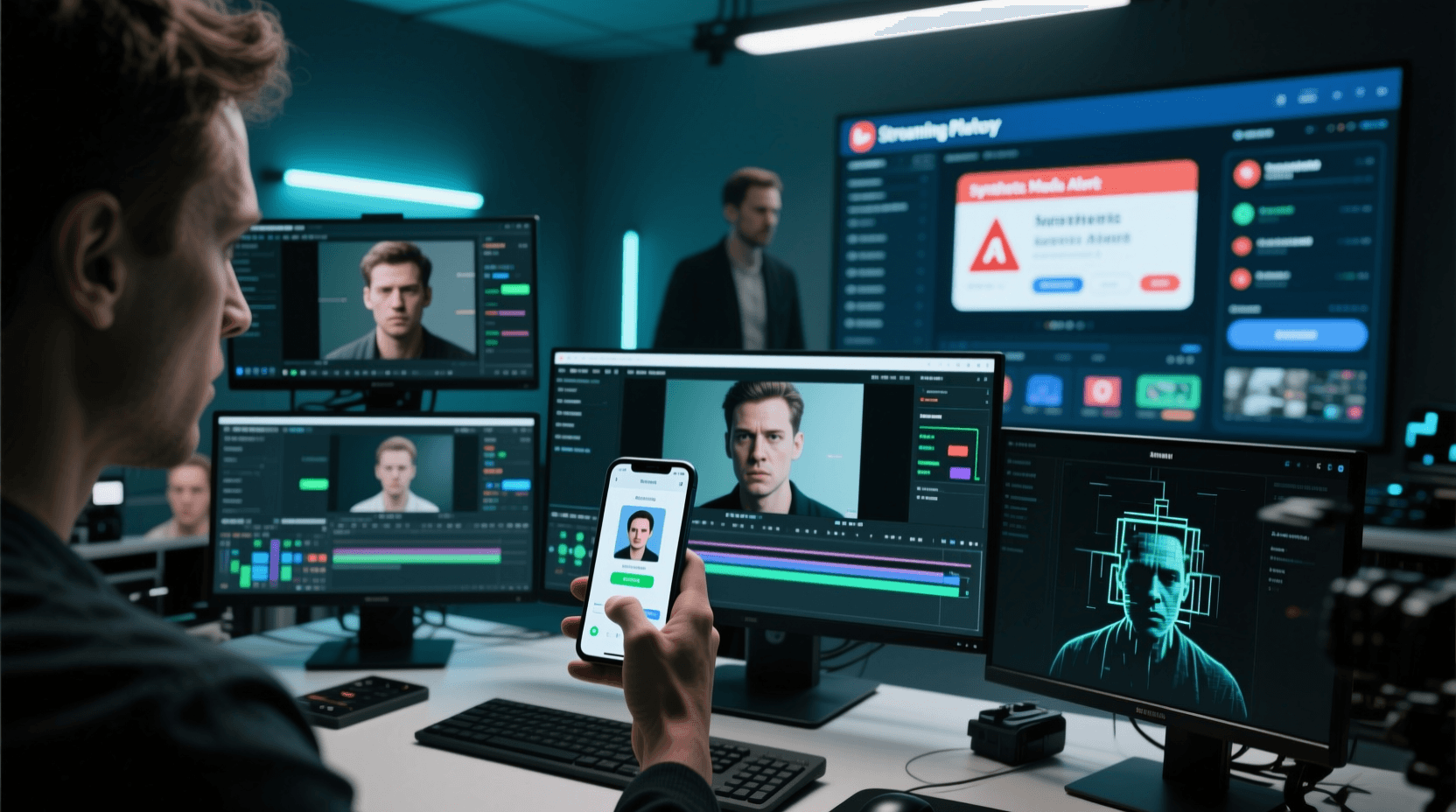
YouTube’s decision to broaden AI likeness detection to nearly all adults is bigger than a moderation update. It’s a signal that the platform is preparing for a future where synthetic media is no longer niche, expensive, or easy to spot.
For AI creators, marketers, and tool builders, this matters because the rules of visibility are changing at the same time the tools for content generation are getting dramatically better. The result is a new tension: AI makes media creation easier than ever, while platforms are building stronger identity and consent guardrails around what can be published.
The age of “good enough” deepfakes is over
A year ago, many people still treated deepfakes as a fringe problem mostly involving celebrities or political disinformation. That framing is outdated. Today, anyone with a decent prompt, a few photos, and consumer-grade tools can generate synthetic video, cloned voices, or face swaps that are convincing enough to fool casual viewers.
That shift changes the risk profile for everyone on YouTube. It’s no longer just public figures who need to worry about impersonation. Small business owners, educators, creators, coaches, and even ordinary users now have a personal brand whether they intended to or not. If your face appears online, it can become training material, reference material, or scam material.
YouTube’s move acknowledges a reality the broader AI ecosystem has been slow to fully absorb: identity is becoming a platform-level issue, not just a legal afterthought.
This is good news for legitimate AI creators
At first glance, some AI video creators may see stronger likeness detection as a threat. In practice, it should help the serious players.
The biggest barrier to mainstream adoption of AI-generated media isn’t output quality anymore. It’s trust. Brands, agencies, and independent creators want to know that the tools they use won’t accidentally put them on the wrong side of consent, copyright, or platform policy.
That’s why creators using tools like AITuber should pay close attention. Faceless and automated video workflows are becoming more attractive precisely because they reduce identity risk. If you can build compelling short-form content with licensed visuals, synthetic narration, and original scripting, you avoid many of the legal and ethical gray zones surrounding someone else’s face or voice. In a world where platforms are watching more carefully, “faceless” stops being just a style choice and becomes a risk-management strategy.
Consent is becoming product infrastructure
The most important implication here is not the detection itself. It’s the workflow around it.
When a platform lets users register their likeness and monitor for misuse, consent becomes operationalized. It moves from a buried term in a policy document to an active system. That matters because AI governance often fails when it depends on victims doing all the work manually.
Expect this pattern to spread. We’ll likely see more creator platforms, social apps, and enterprise media tools build identity verification, likeness registration, and synthetic media reporting directly into their products. Developers should treat this as a roadmap, not an exception.
If you build AI video or image tools, now is the time to ask hard questions:
- Can users prove they own the likeness they upload?
- Do you log consent for voice cloning or avatar generation?
- Can subjects request removal or monitoring?
- Are watermarks, disclosures, or provenance metadata built in by default?
These are no longer “nice to have” trust features. They are becoming table stakes.
The creator economy will split into trusted and risky AI content
One likely outcome is a market divide. On one side: creators and tools that embrace transparent, consent-based AI production. On the other: low-friction synthetic media built for impersonation, engagement farming, or shock value.
That divide will affect discovery, monetization, and brand safety. Advertisers will favor channels that can demonstrate clean workflows. Platforms will likely reward creators who use AI in ways that are original but non-deceptive. Tool vendors that can prove they support compliant creation will have a commercial advantage.
This is where supporting assets matter too. If your workflow includes original packaging and branding, that helps distinguish legitimate AI content from impersonation bait. Tools like AI Thumbnail fit neatly into that future because they help creators build recognizable visual identity around their own channels instead of leaning on borrowed fame, misleading faces, or fake endorsements to drive clicks.
Celebrity cloning is heading for a collision with platform enforcement
The most obvious pressure point is celebrity-style synthetic content. Tools such as Celebrity AI showcase just how far hyper-realistic video and voice cloning have come. The technology is impressive, but the business and policy environment around it is tightening fast.
That doesn’t mean these tools disappear. It means their acceptable use cases narrow. Satire, parody, licensed promotions, and clearly disclosed experiments may survive. Undisclosed endorsements, fake interviews, and deceptive lookalike content will face more friction from platforms and, eventually, regulators.
Developers in this category should assume enforcement is coming from multiple directions at once: platform policy, payment processors, app stores, and public backlash. The winning products won’t be the ones with the most realistic output alone. They’ll be the ones with the strongest permissioning, disclosure, and audit trails.
What AI builders should do next
If you’re building for the AI creator economy, the message is clear: create for authenticity, not just realism.
The next generation of successful AI tools will help users make original media faster while reducing the chance of impersonation, confusion, or abuse. That means better consent systems, clearer disclosures, safer defaults, and workflows that encourage creators to build around their own identity or fully synthetic characters rather than someone else’s likeness.
YouTube’s expanded detection effort is really a market signal. Synthetic media is mainstream now, and the platforms know it. The question for developers and creators is no longer whether AI-generated content will dominate more of the internet. It’s whether they can build in a way that earns trust before enforcement forces the issue.